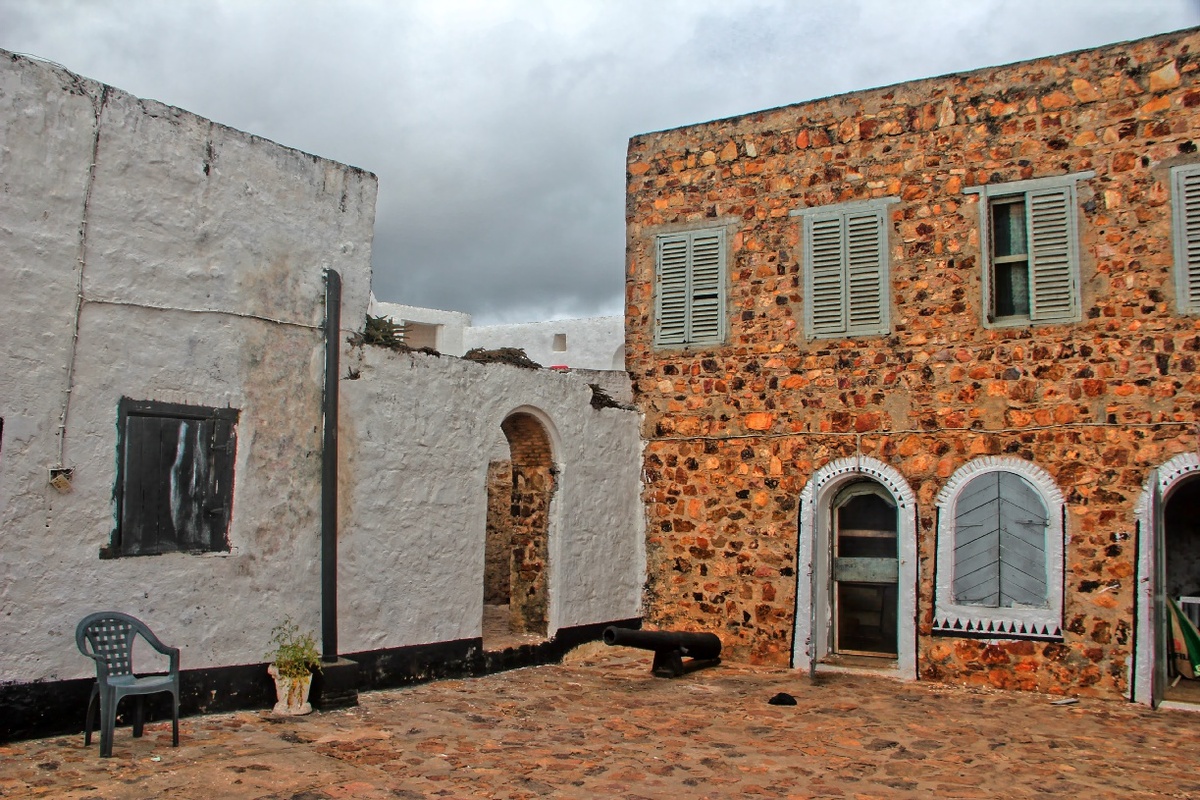
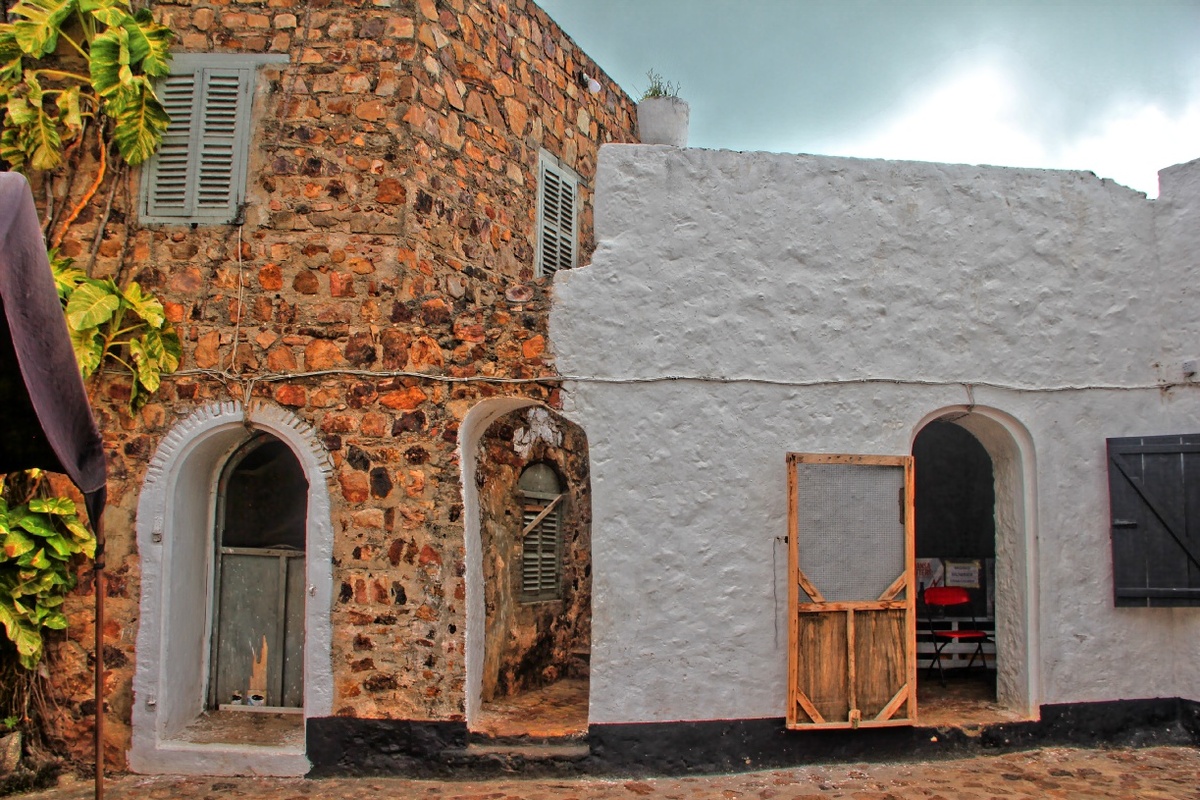
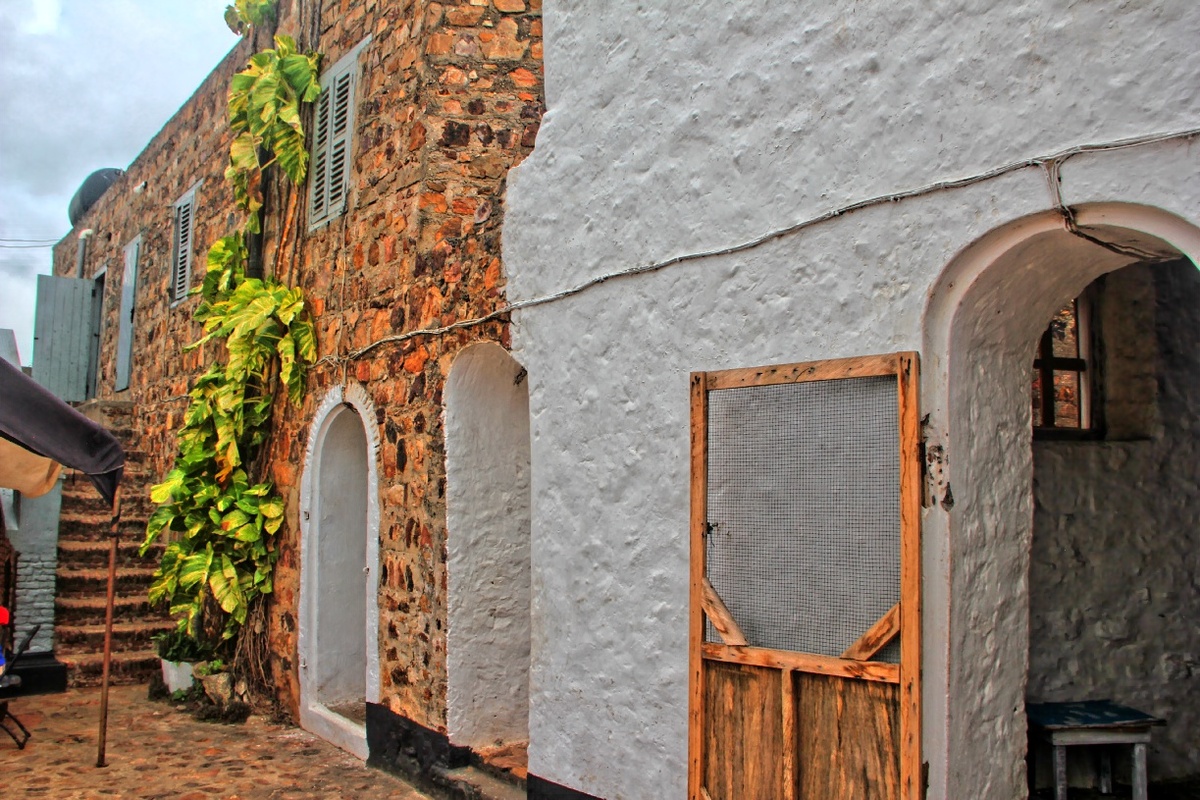
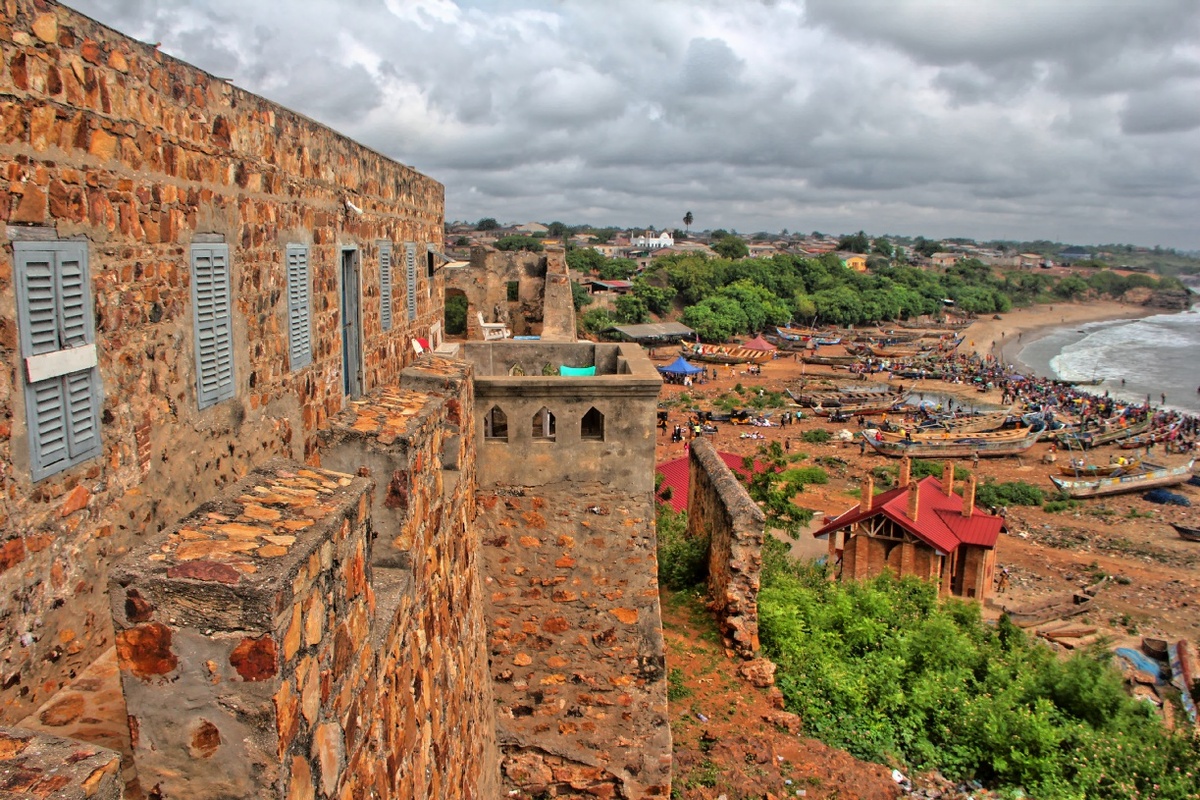
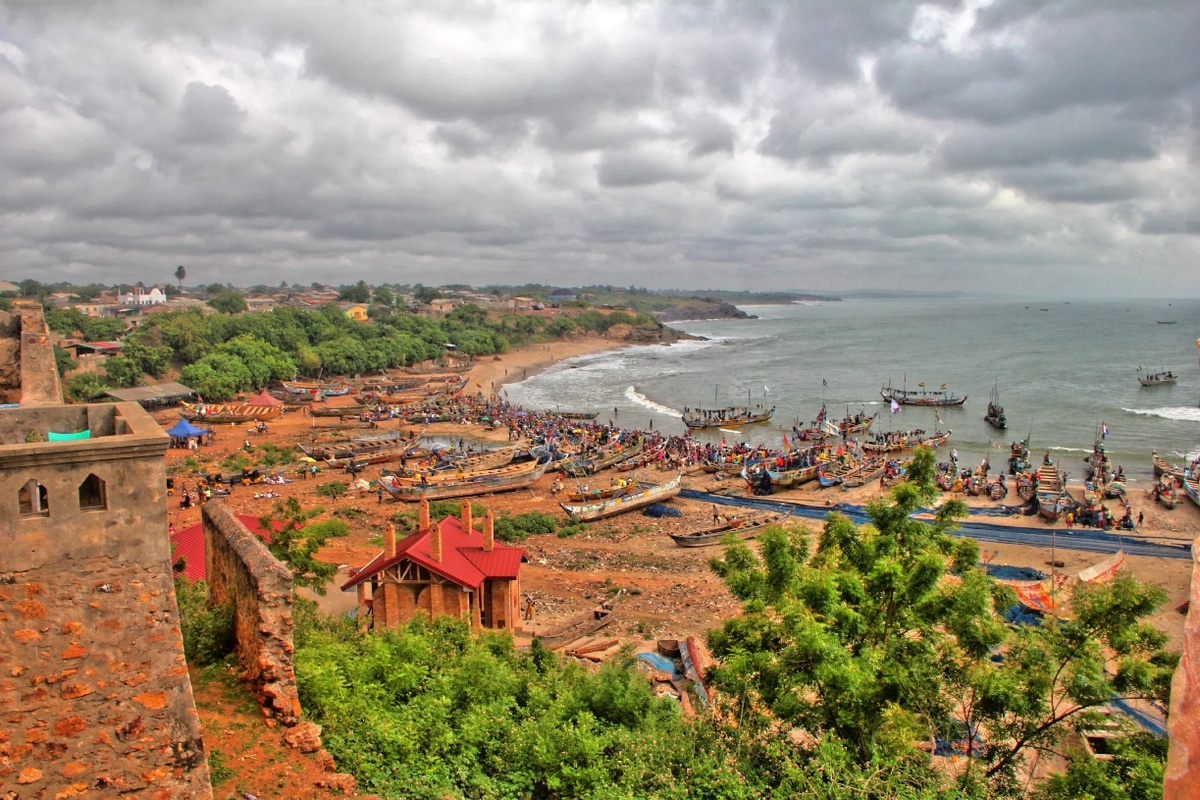
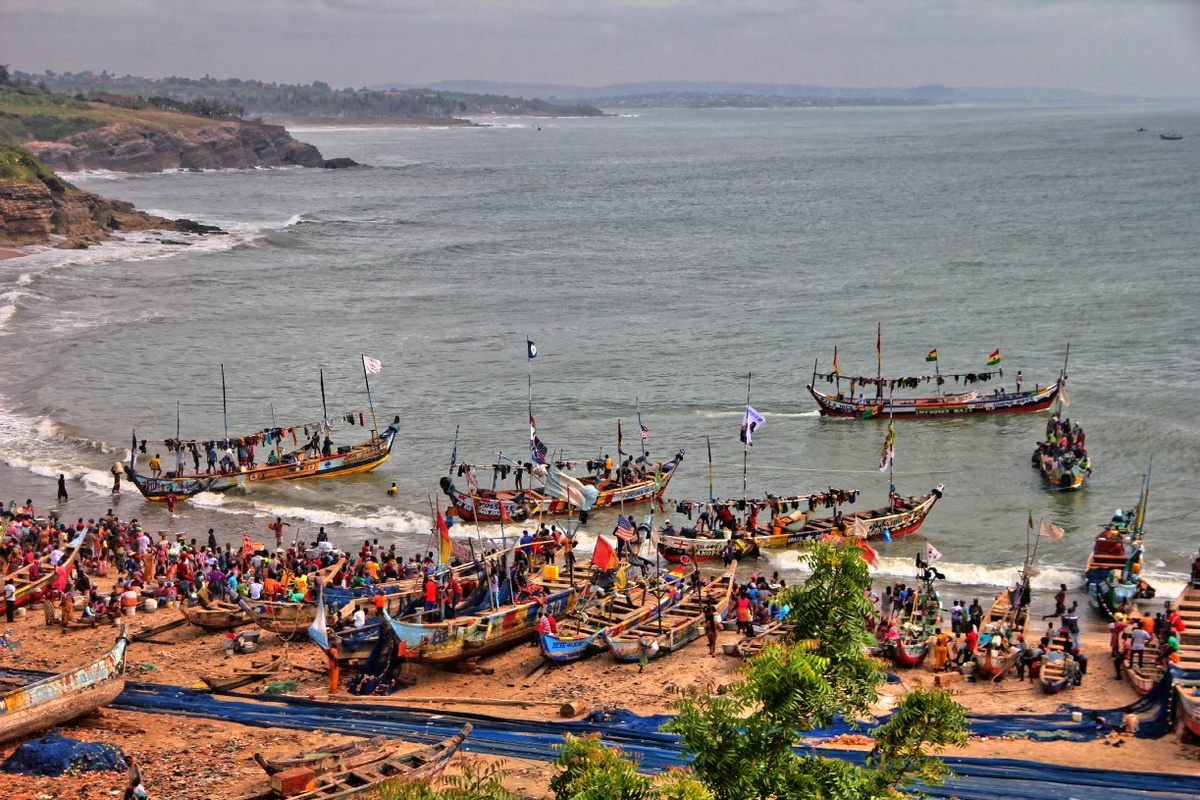
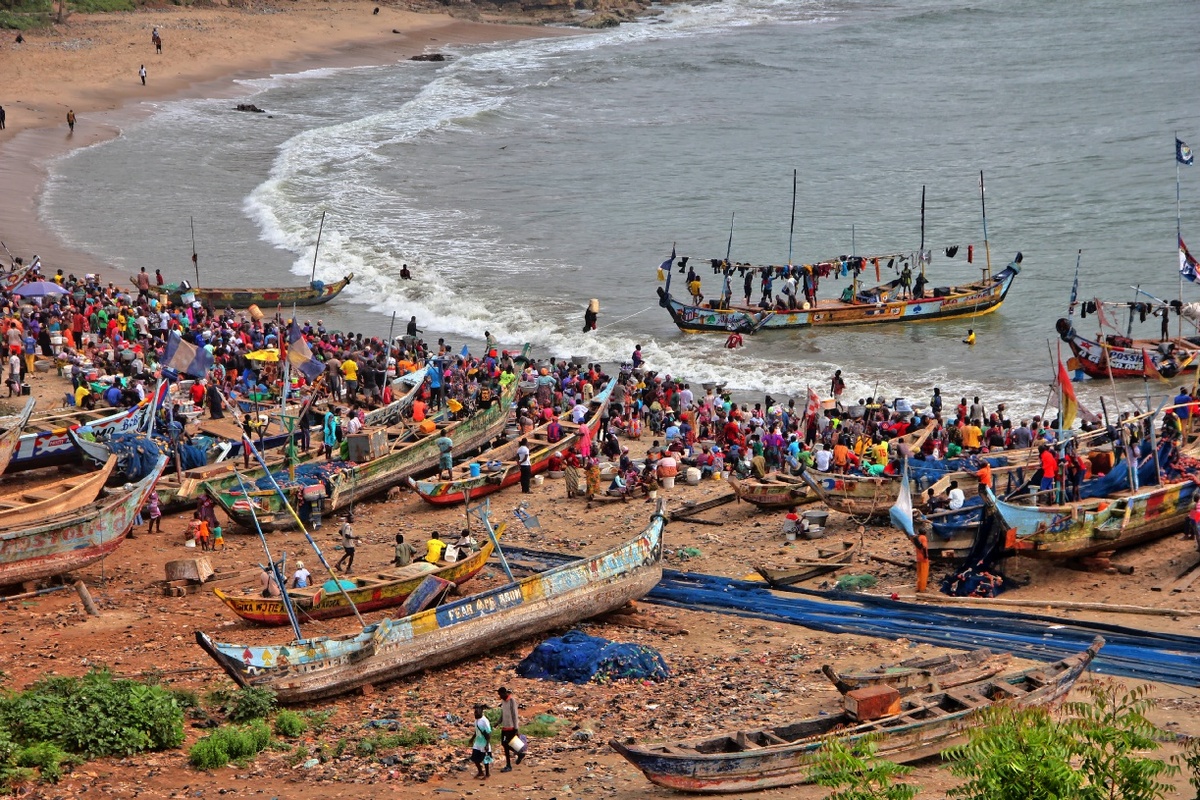
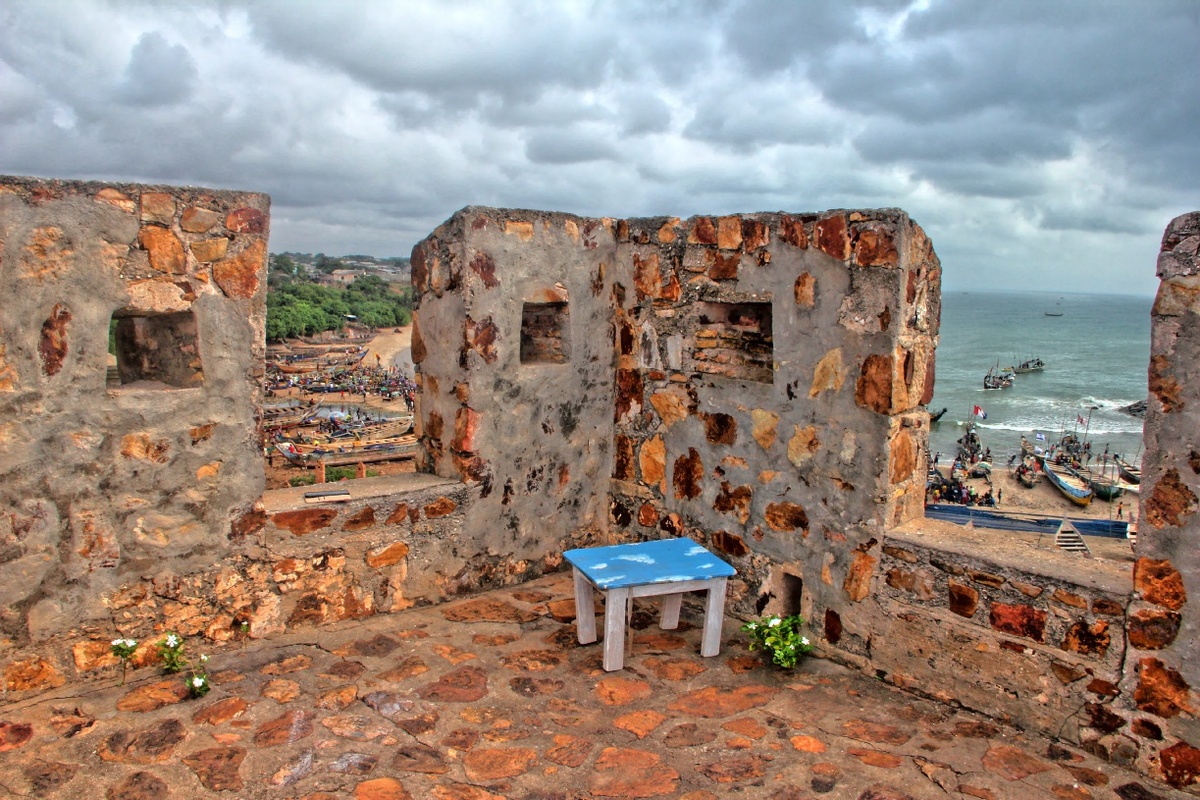
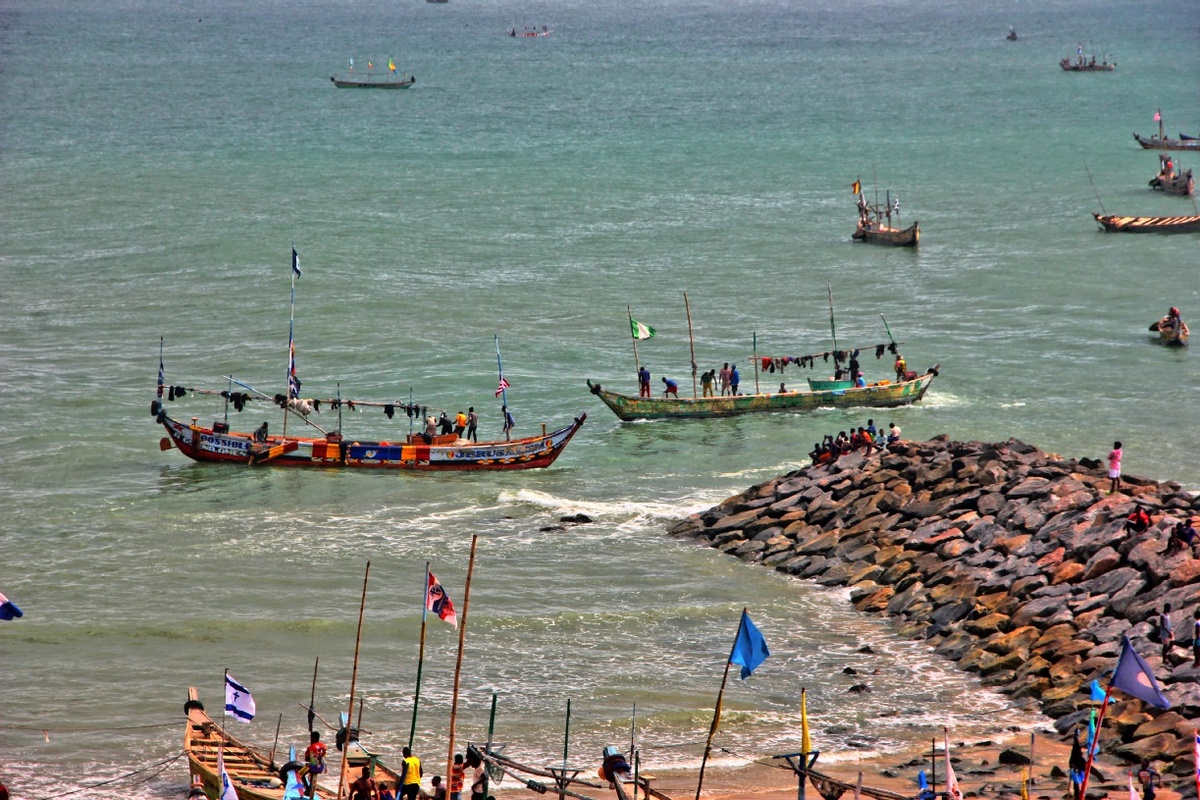
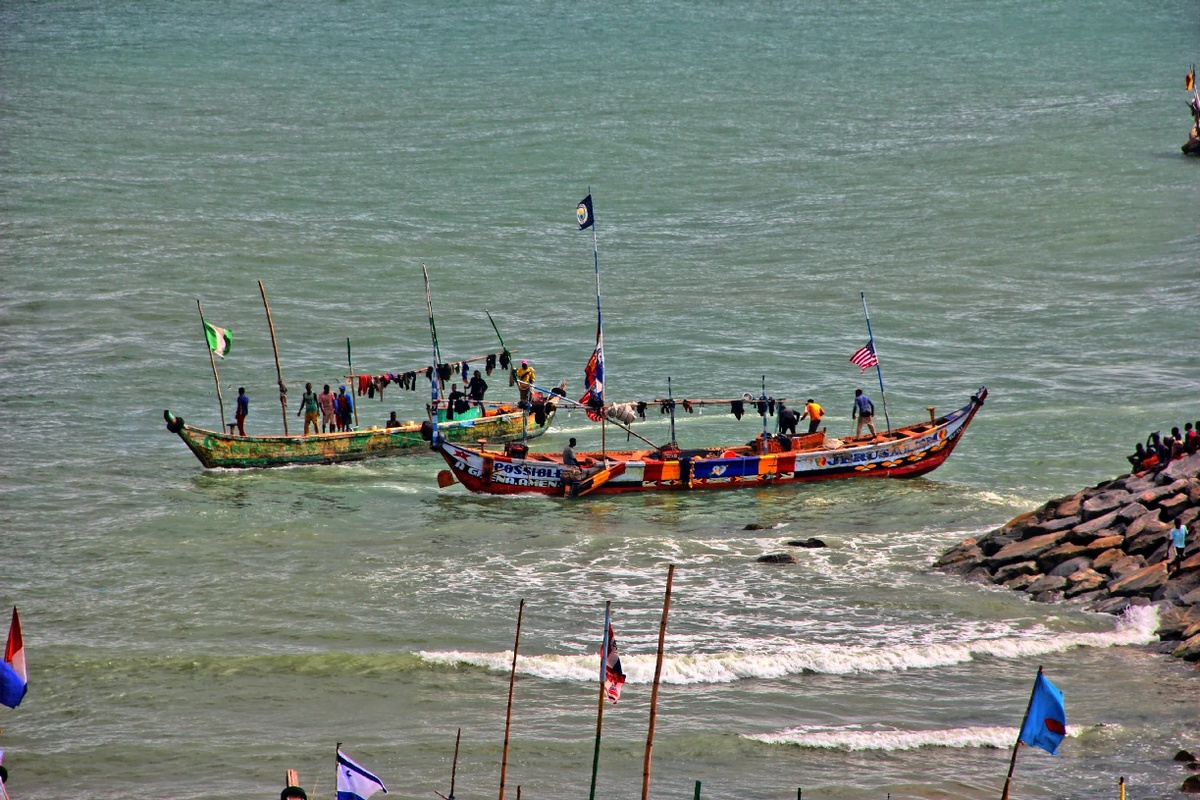
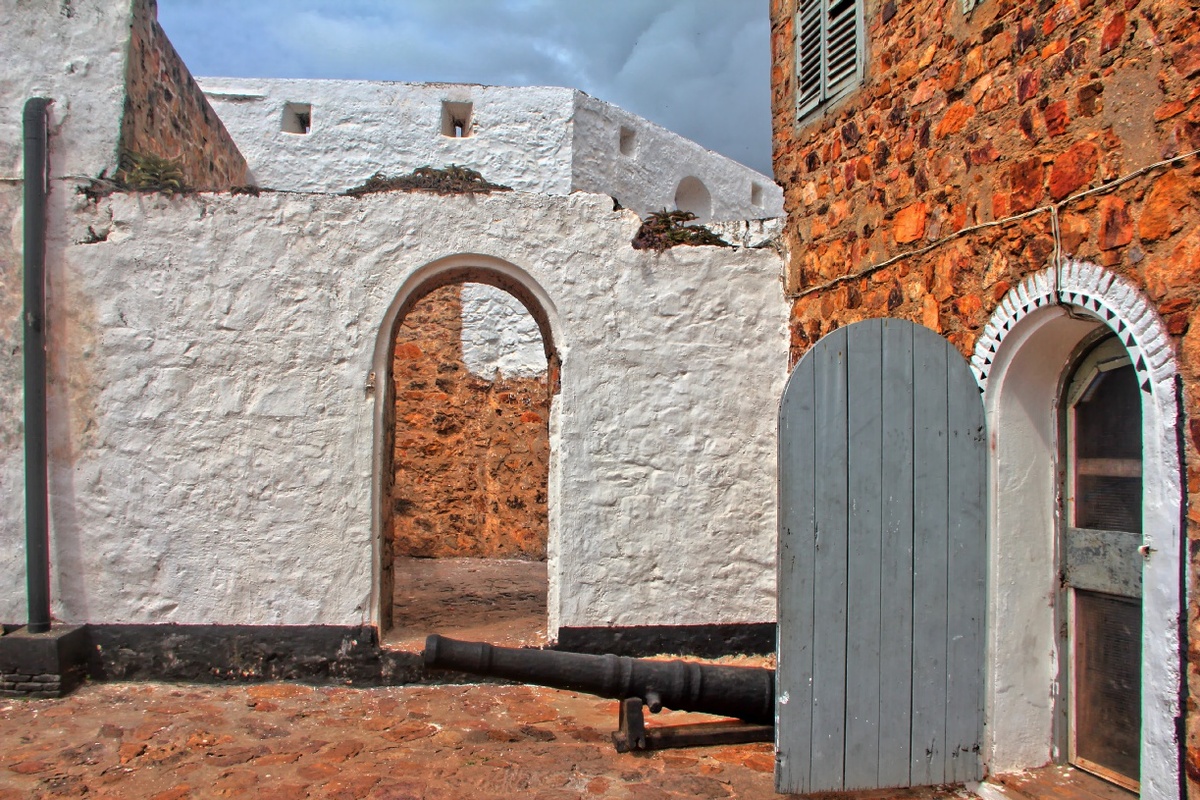
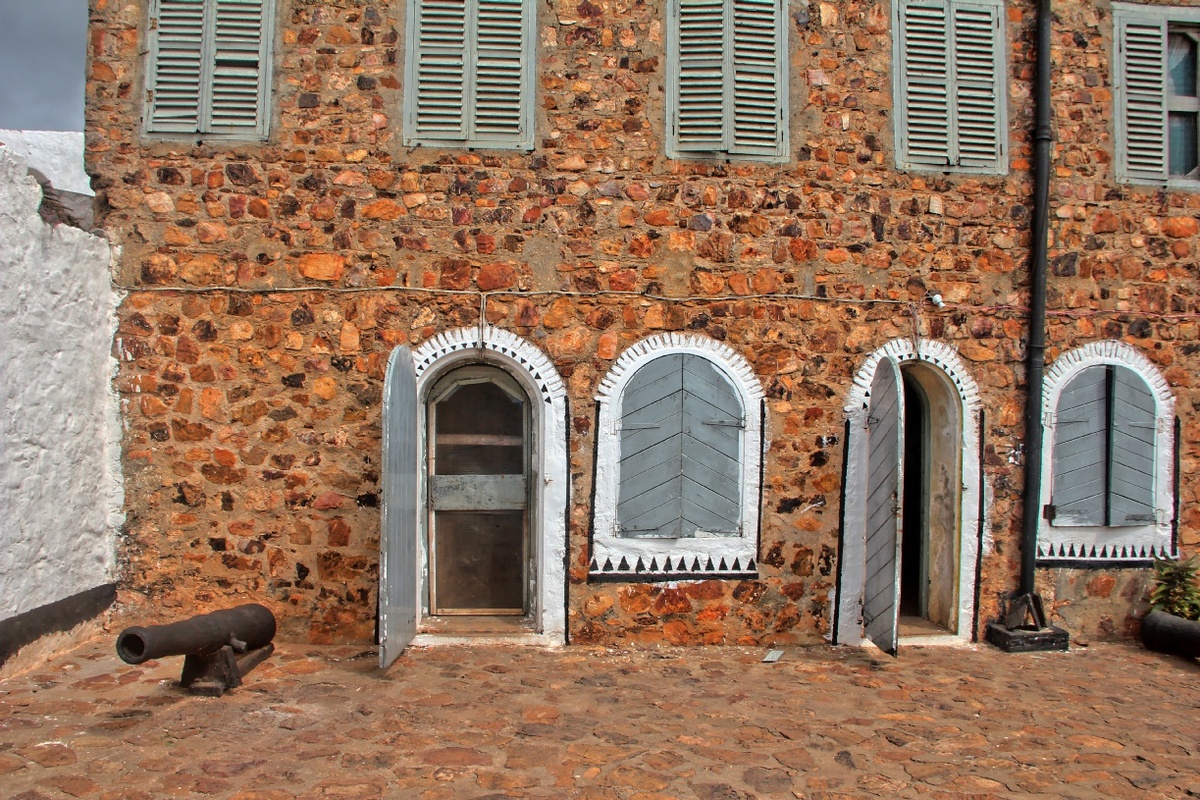
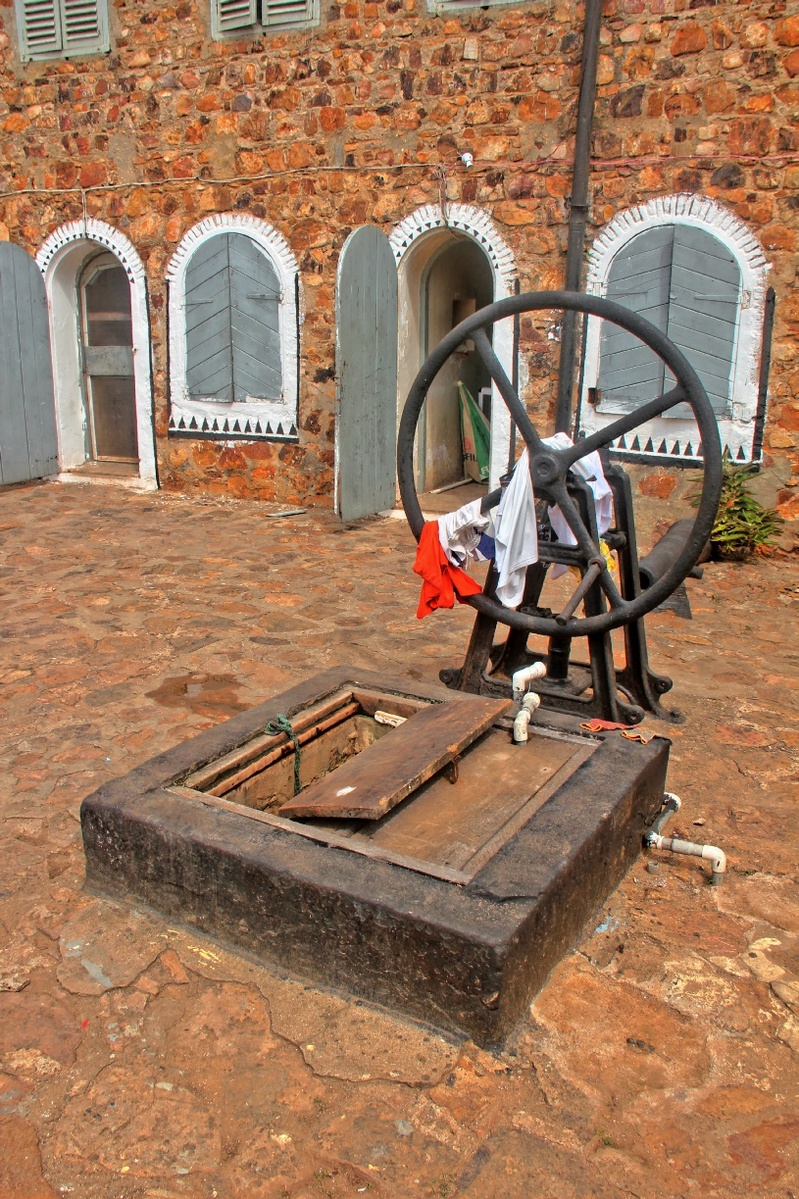
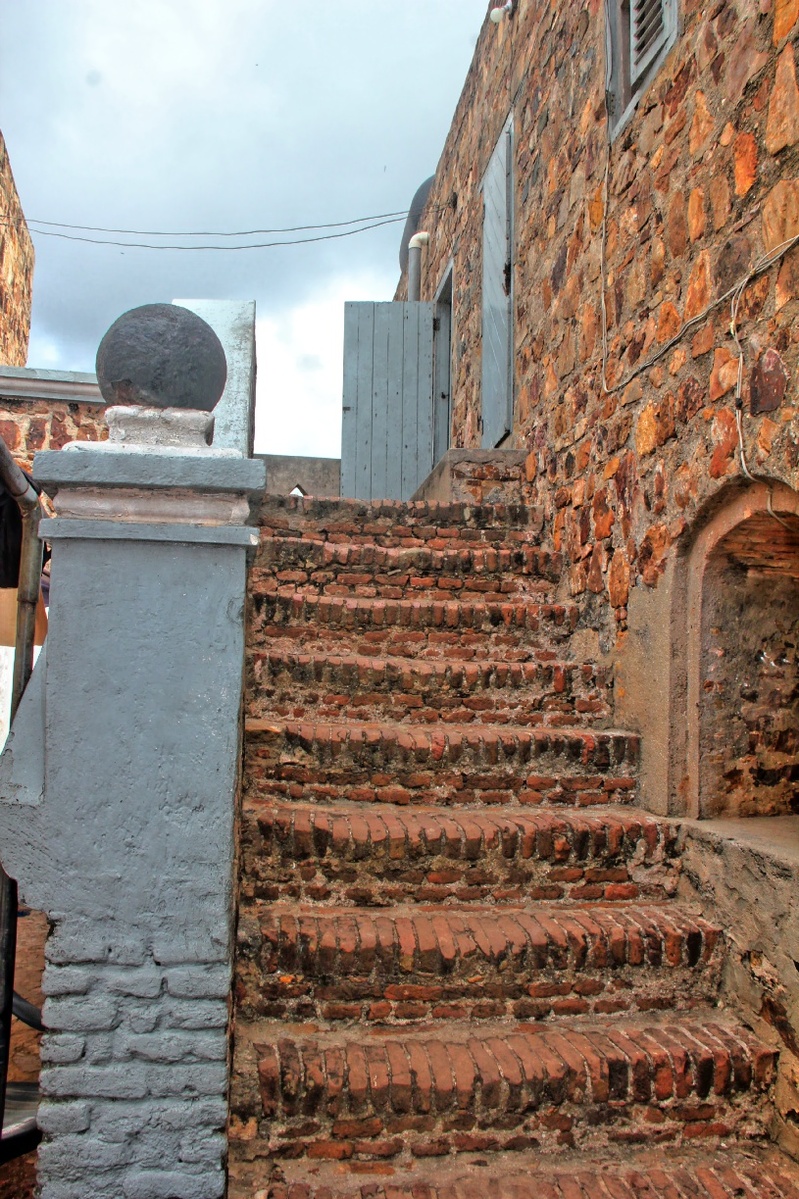
Fort Good Hope stands as a poignant reminder of Ghana's intricate history, from a trading post to a crucial part of the slave trade. Today, it calls for preservation and accountability to ensure that its legacy is not forgotten. Join us in exploring the layers of history embedded in these ancient walls.
Find your roots and rise — Ghana3d.com Gateway Experience 360 is your ultimate guide to cultural, historic, and soul-stirring adventures. Whether you're returning to your ancestral land or exploring Ghana for the first time, we offer curated journeys that connect you deeply to the spirit of West Africa. From powerful walks through Cape Coast & Elmina slave castles to the vibrant rhythms of Accra’s nightlife. From sacred village ceremonies to awe-inspiring natural beauty — your journey starts here.
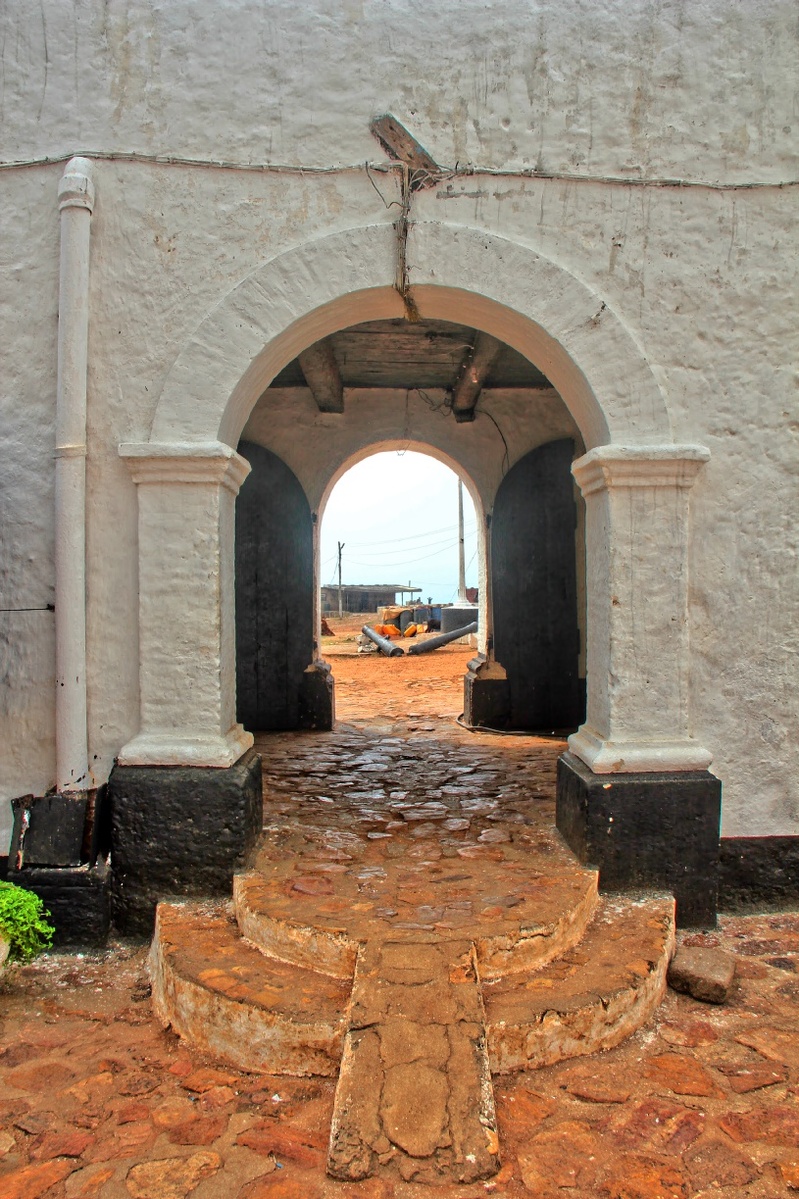
Fort Good Hope, known as Fort Goede Hoop, was built by the Dutch in 1667 as a trading post for gold and ivory. Over time, it became a site for the trans-Atlantic slave trade before its commercial significance diminished under British rule in 1872.
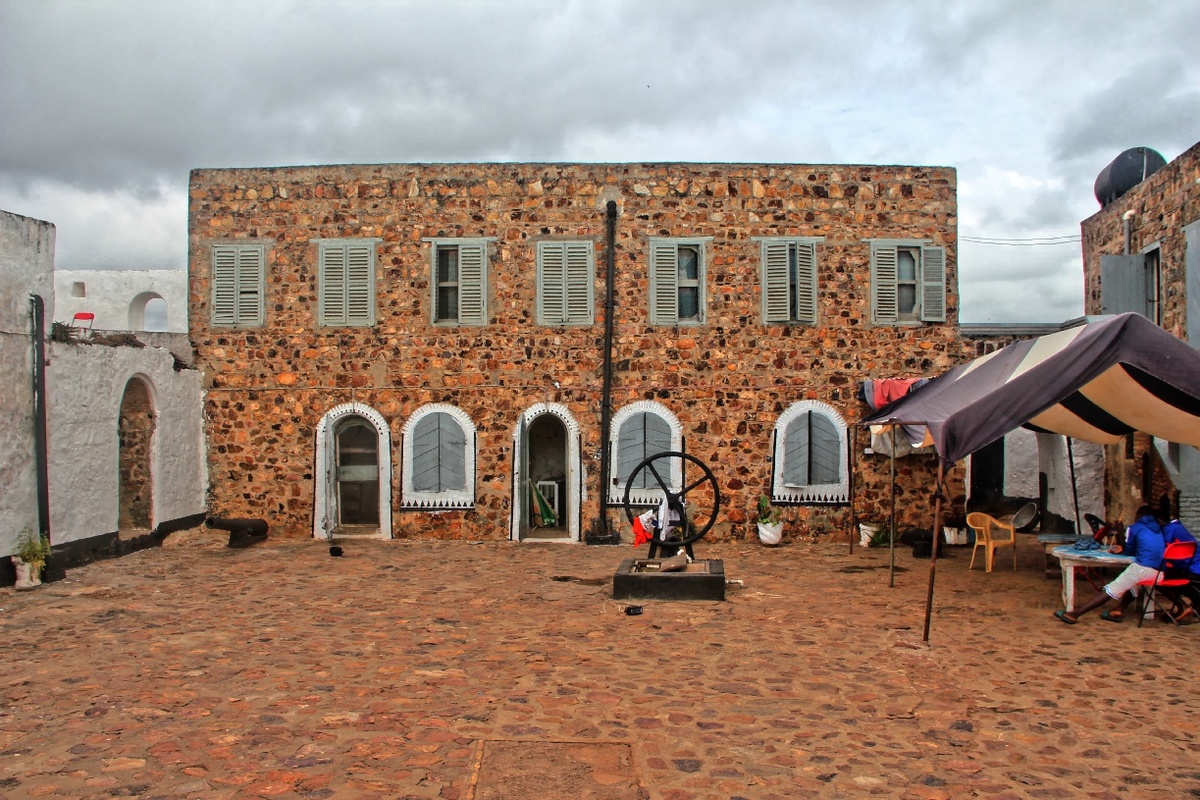
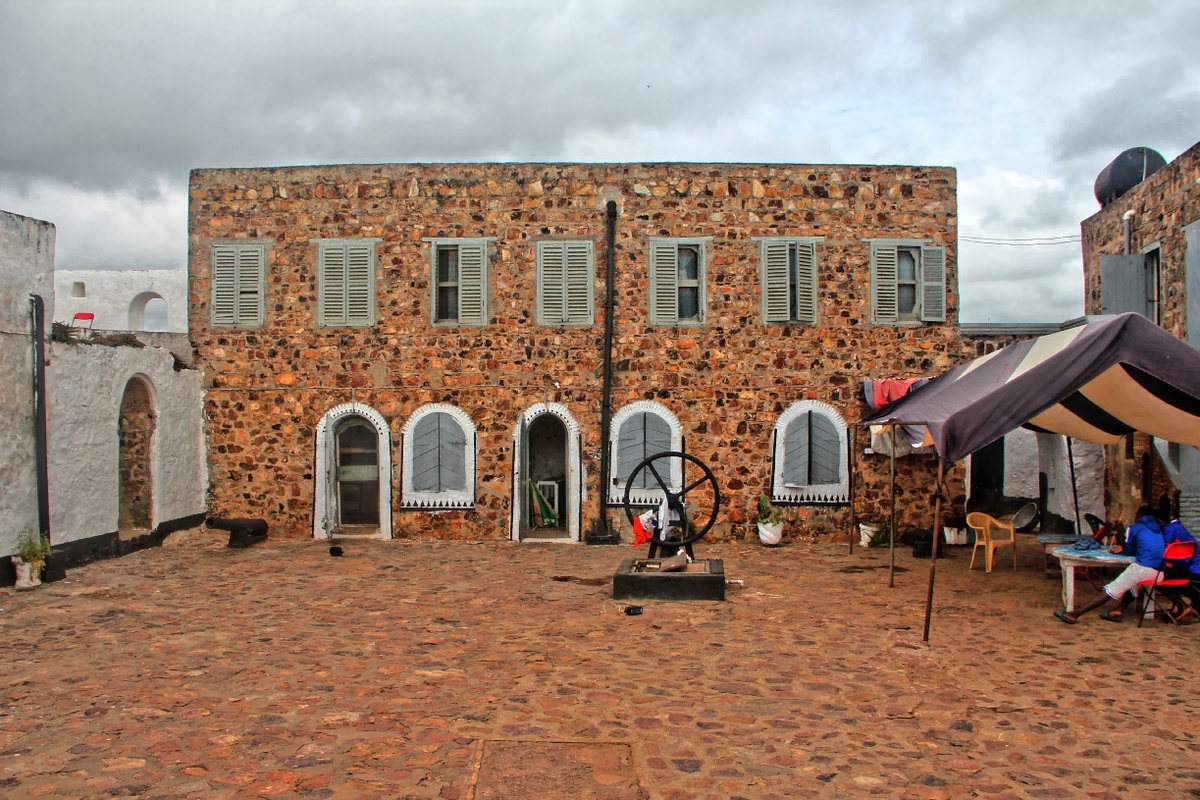
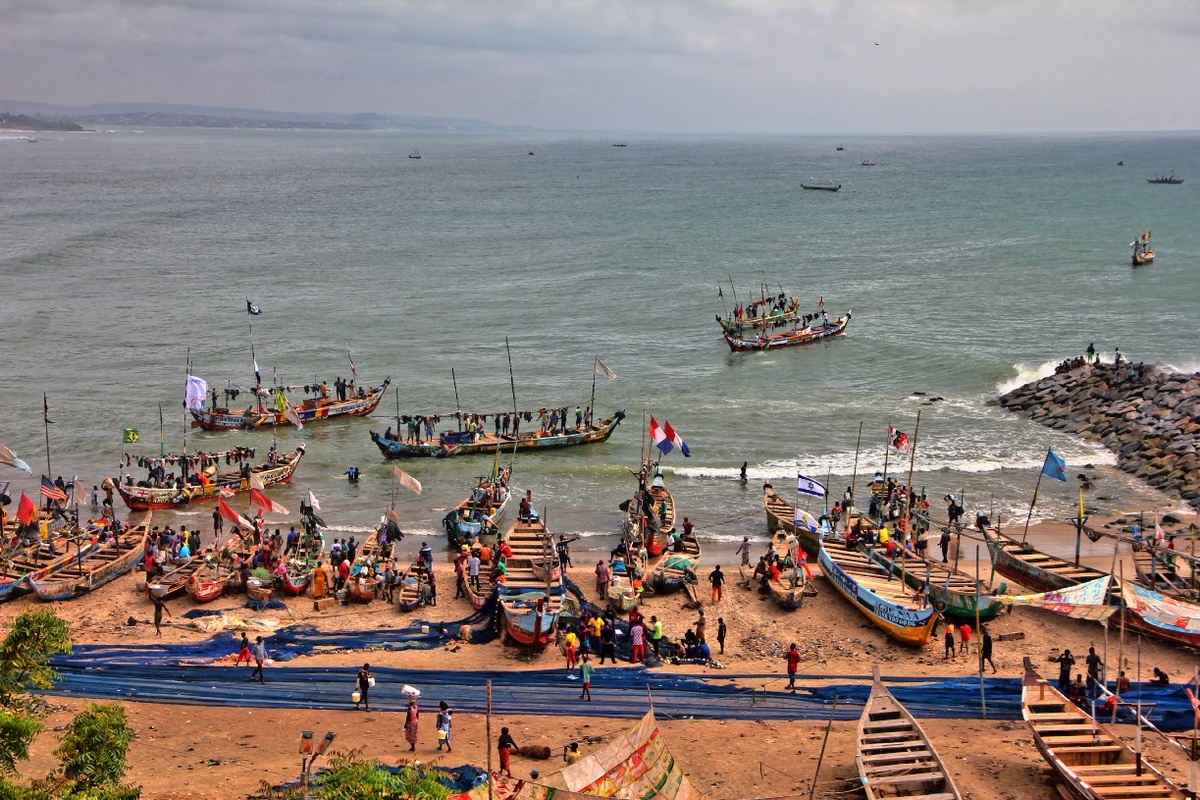
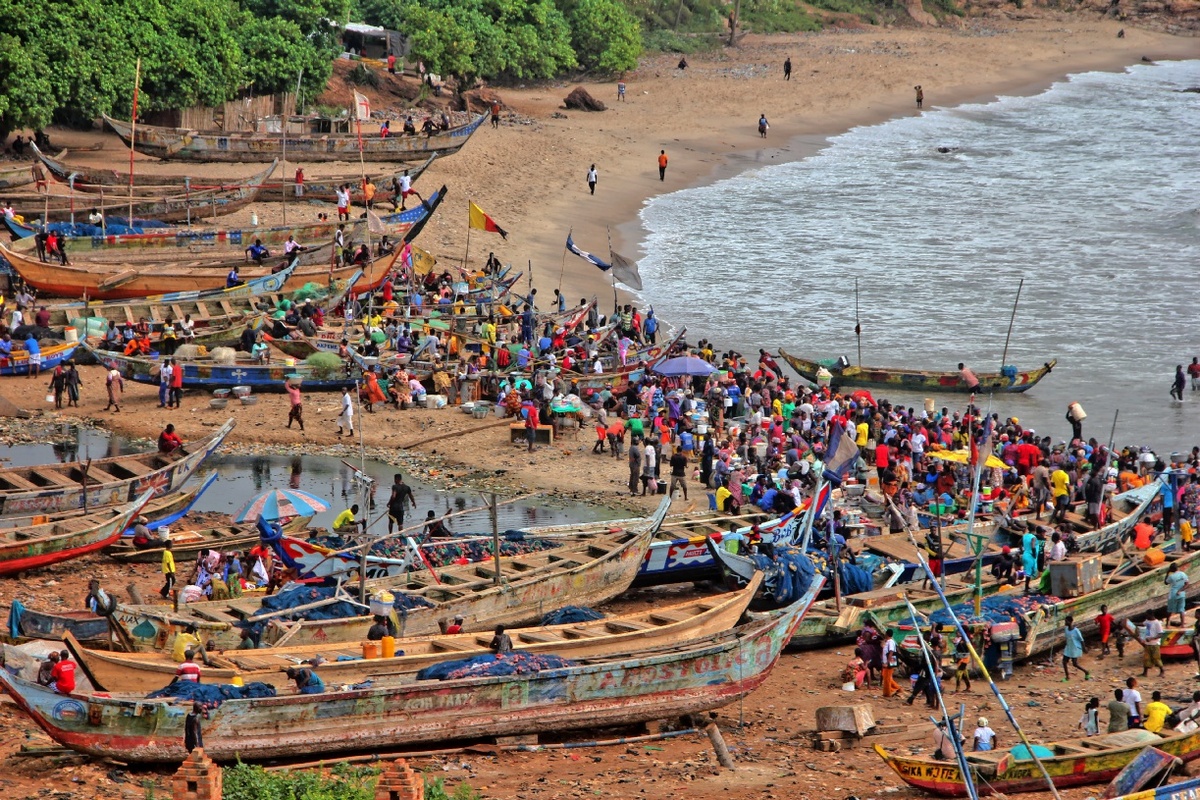
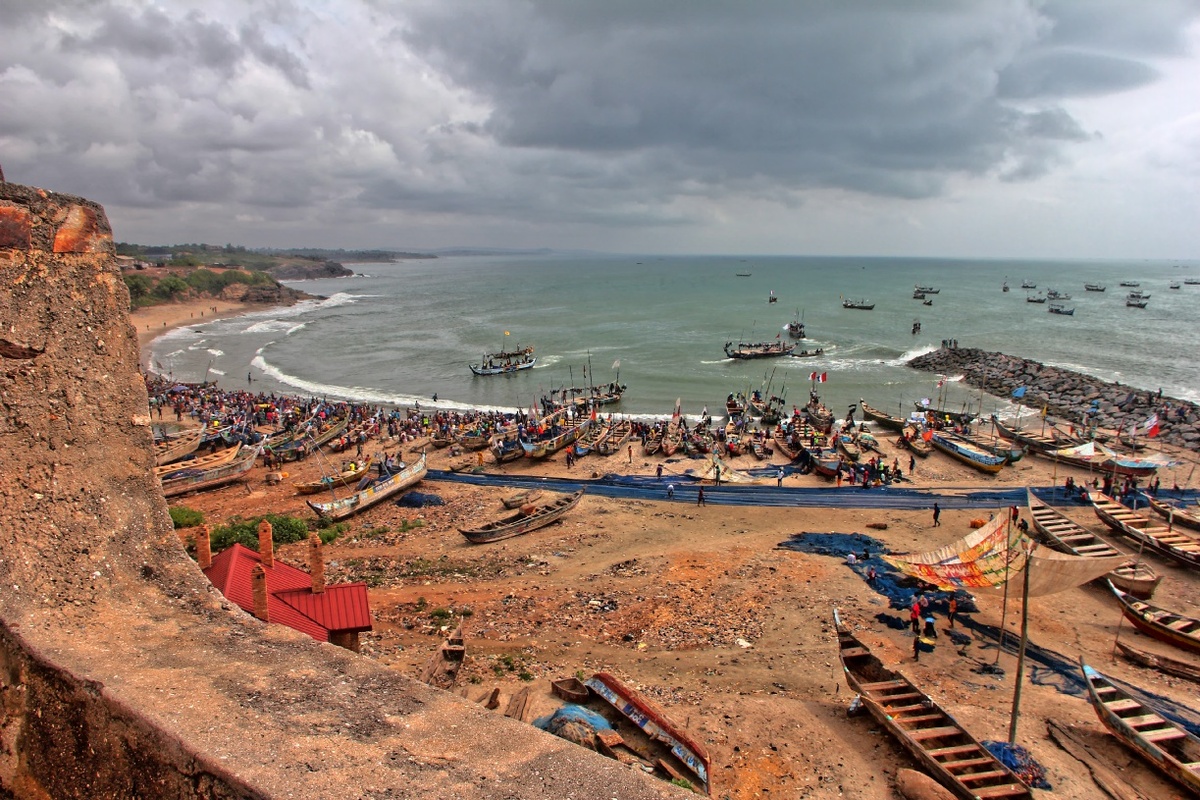
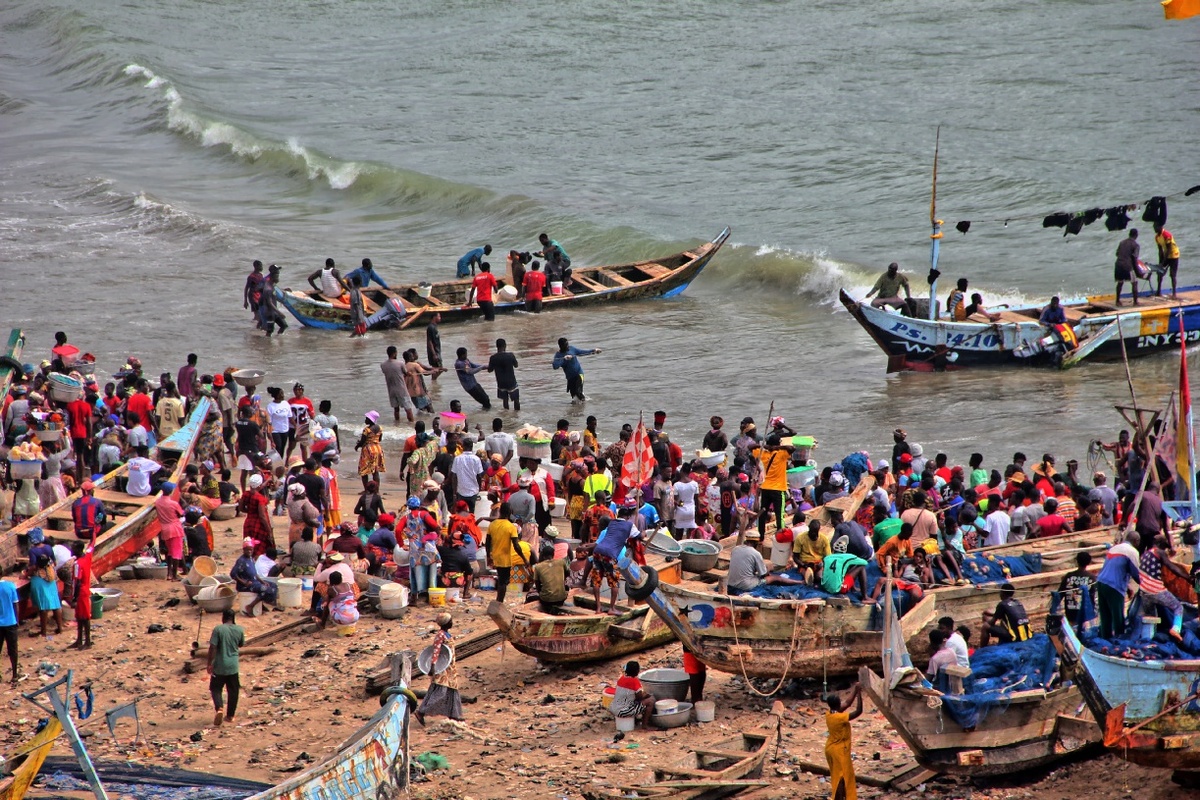
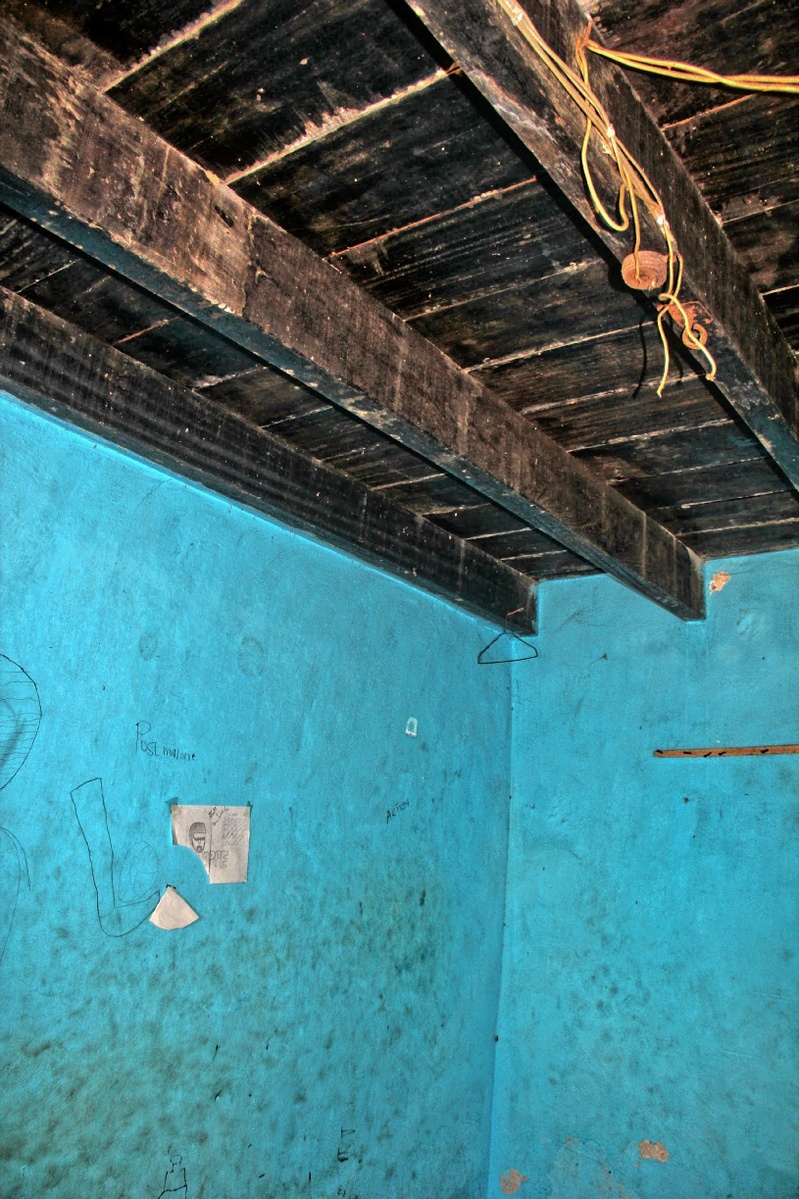
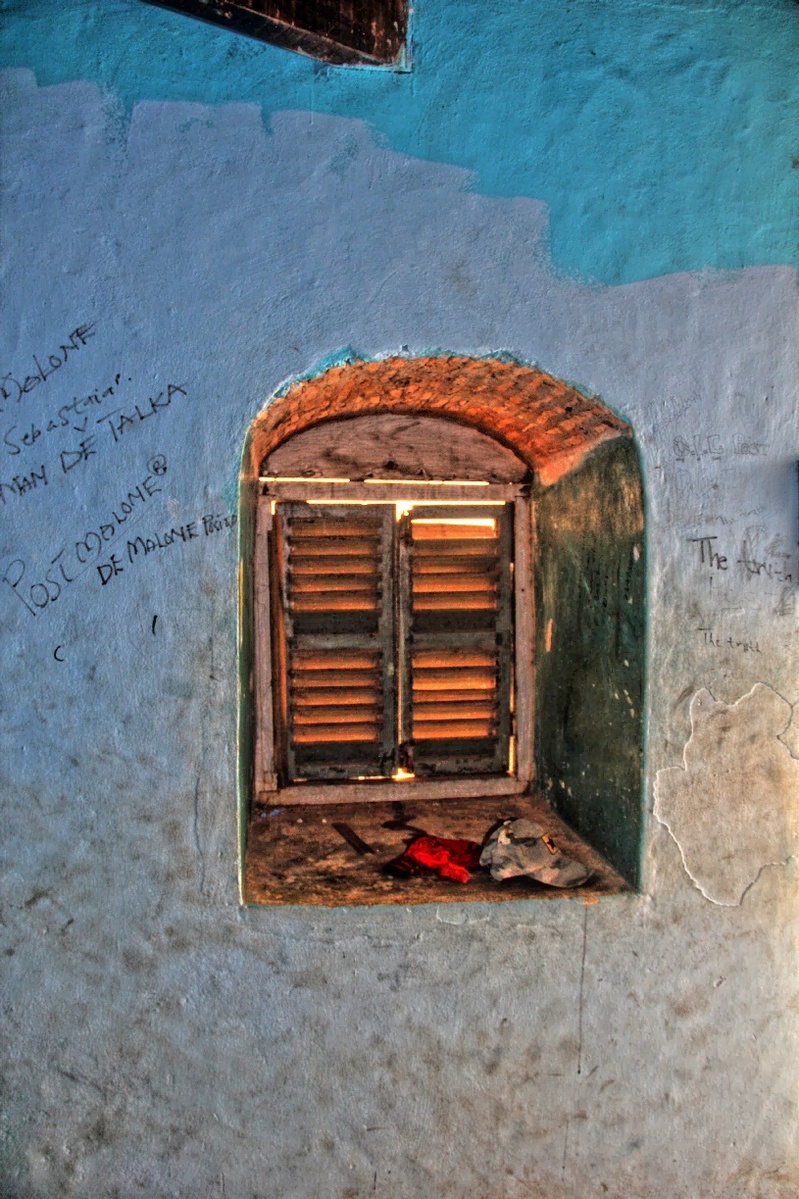
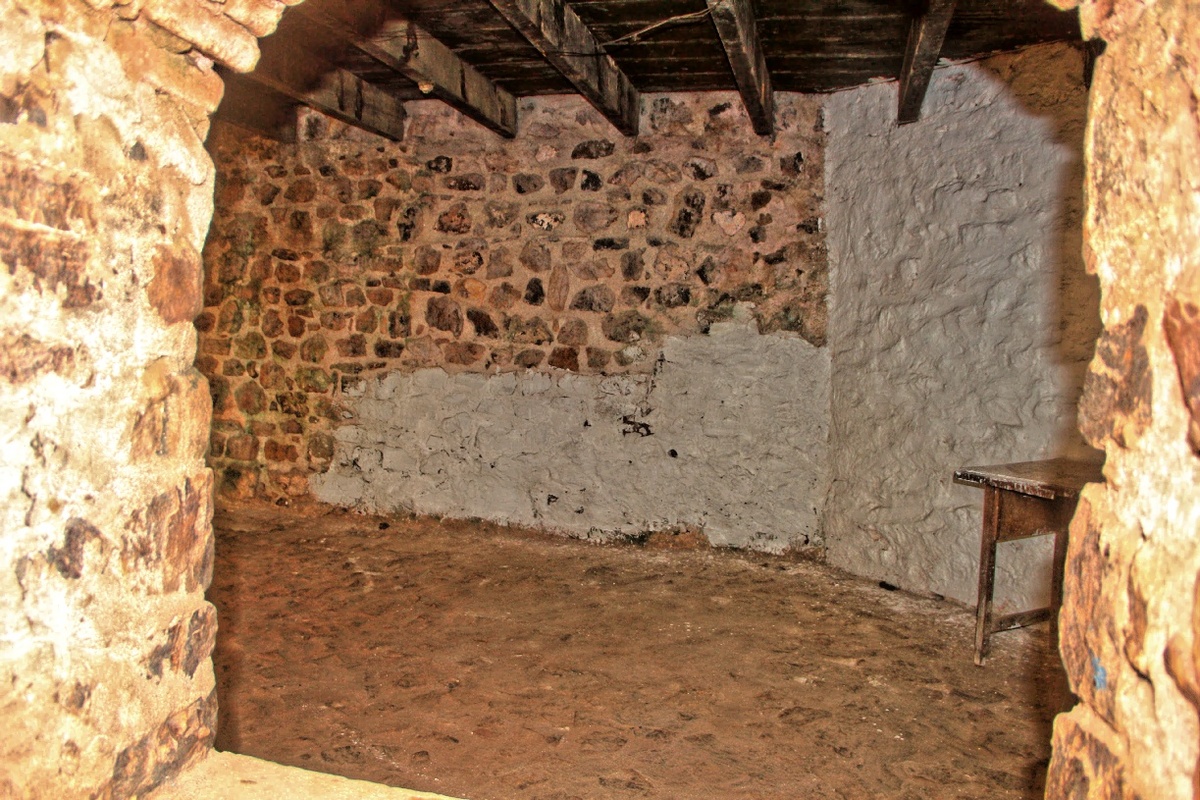
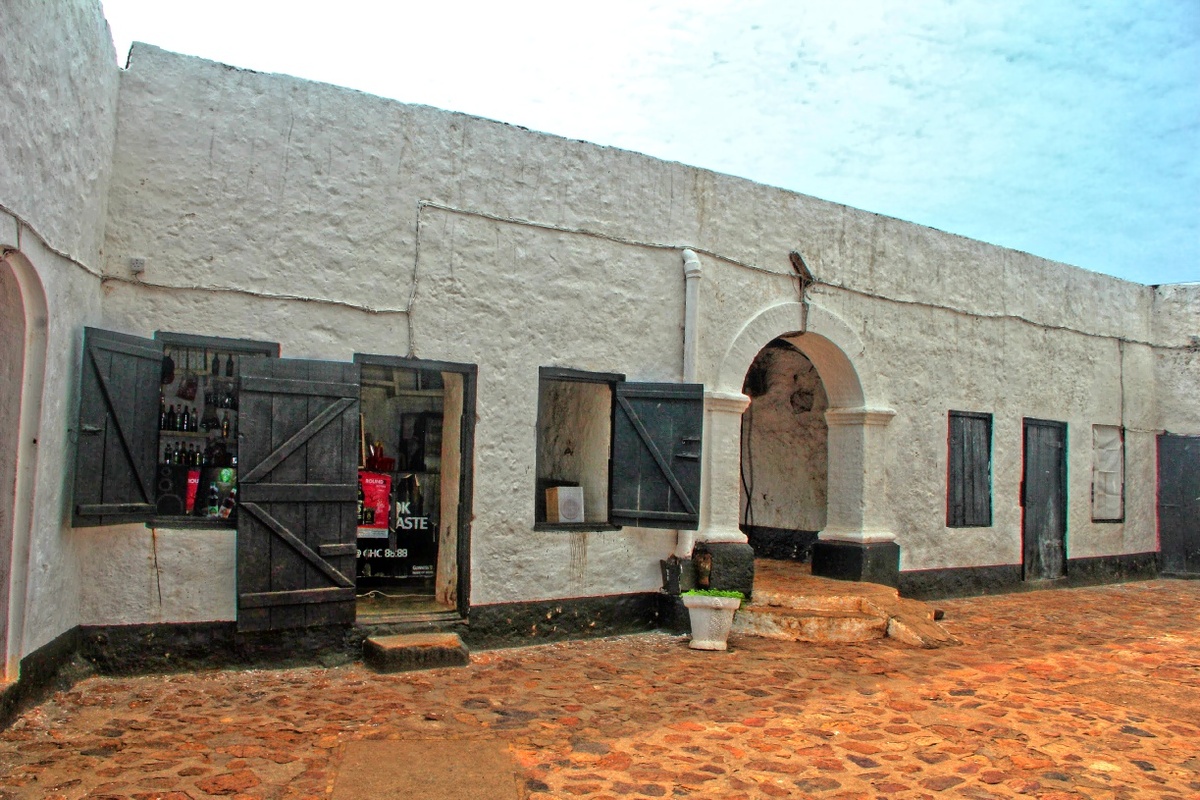
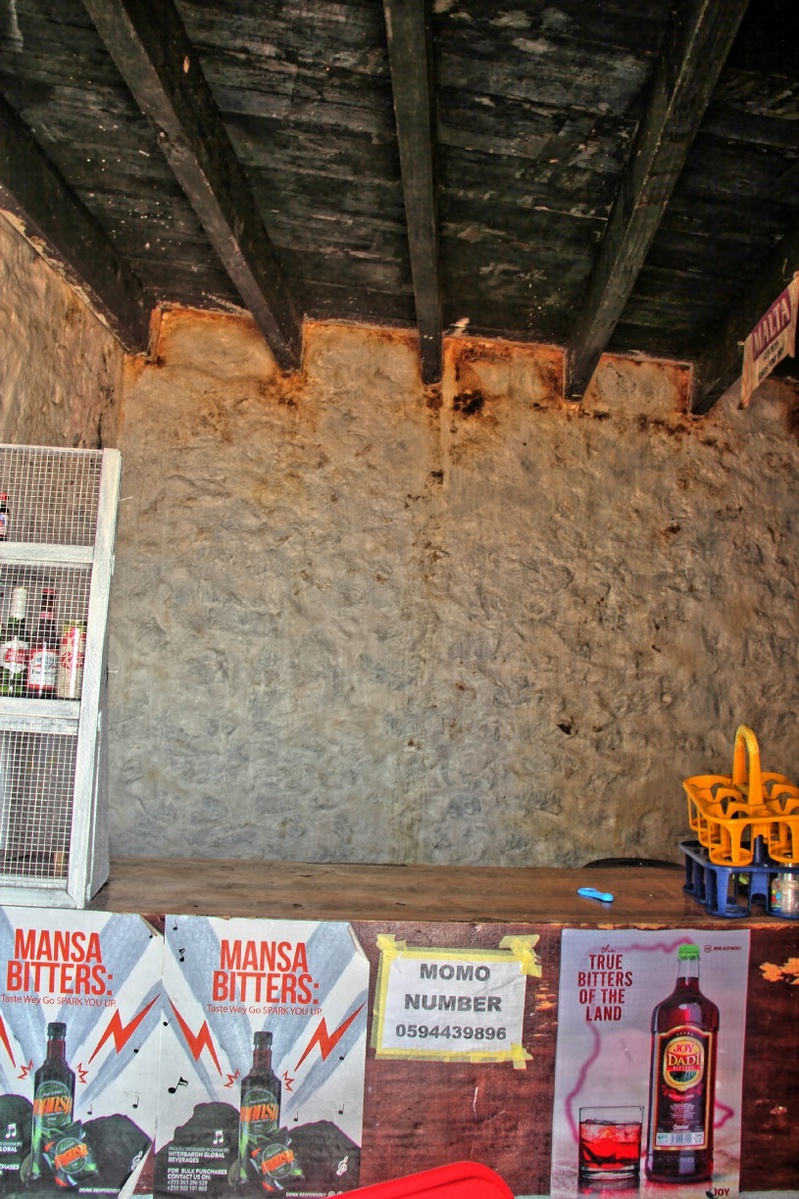
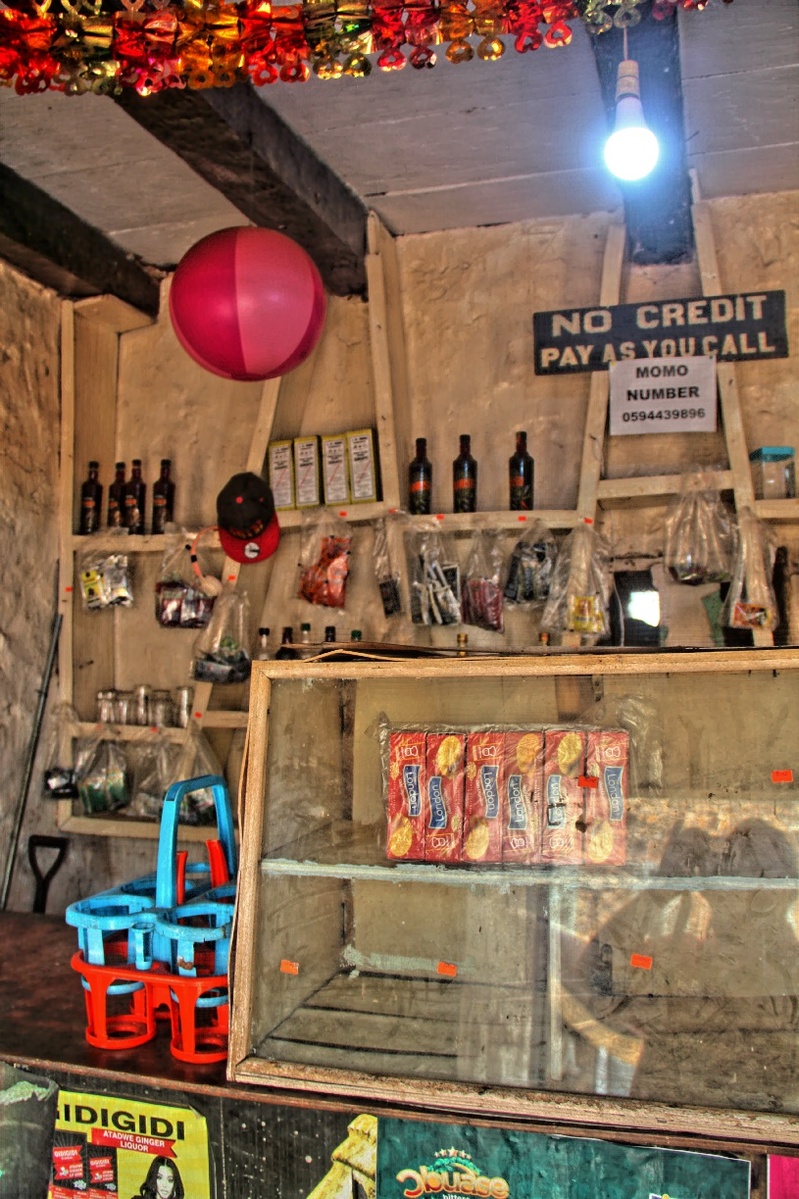
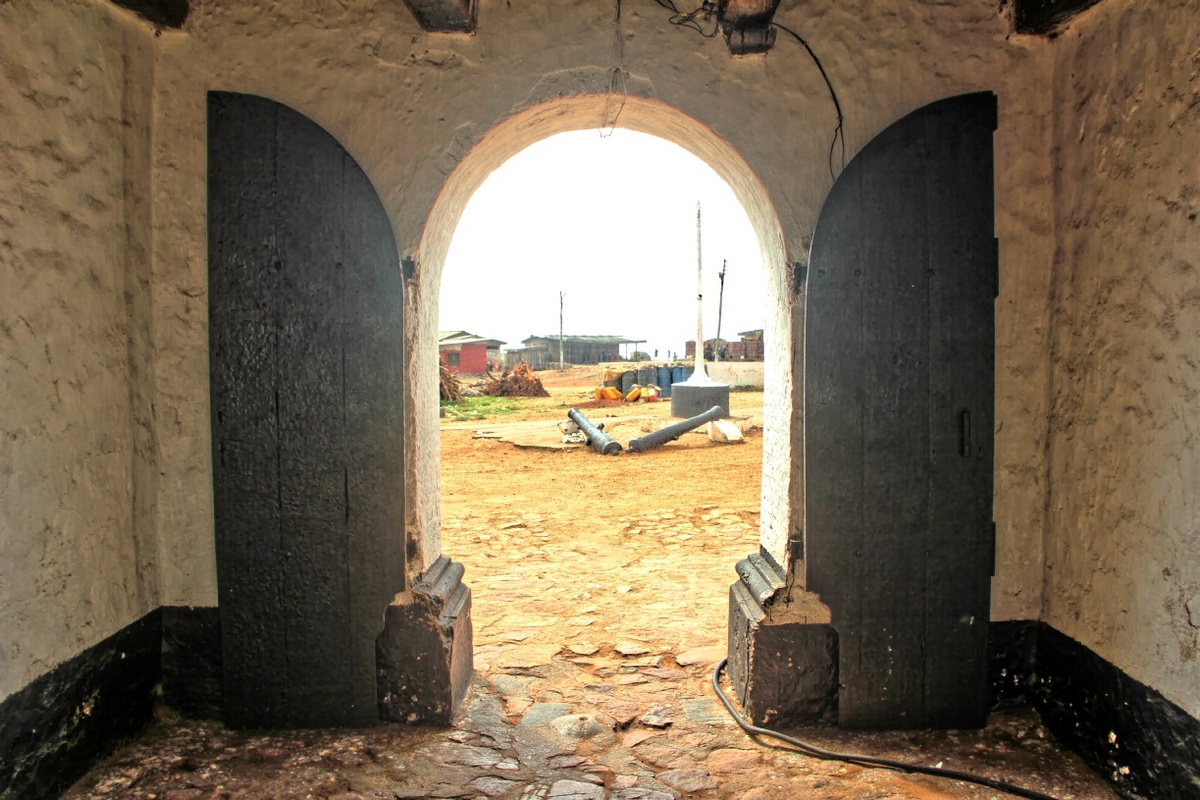
Visitors can reach Fort Good Hope in Senya Beraku, however, access may vary as the gate may be locked. The Fort serves at the moment as a more or less in-fofficial local guesthouse.. Means, most of the rooms cant be visited. It's advisable to check with local guides or the Ghana Museums and Monuments Board for current conditions.
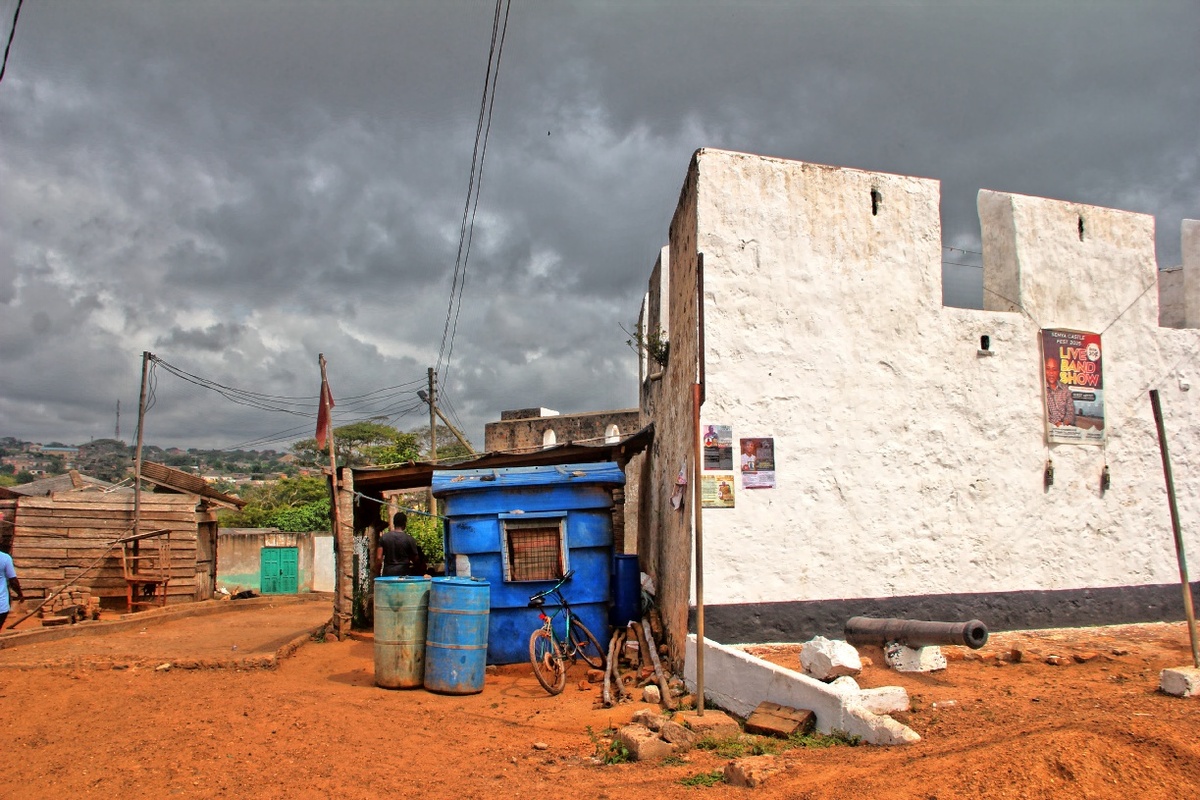
Fort Good Hope is part of UNESCO's World Heritage Sites in Ghana. However, it faces significant erosion and requires ongoing maintenance, protection, and public accountability to preserve its historical significance.
For inquiries regarding Fort Good Hope and its preservation, you can contact the Ghana Museums and Monuments Board (GMMB) at Info@gmmb.gov.gh.
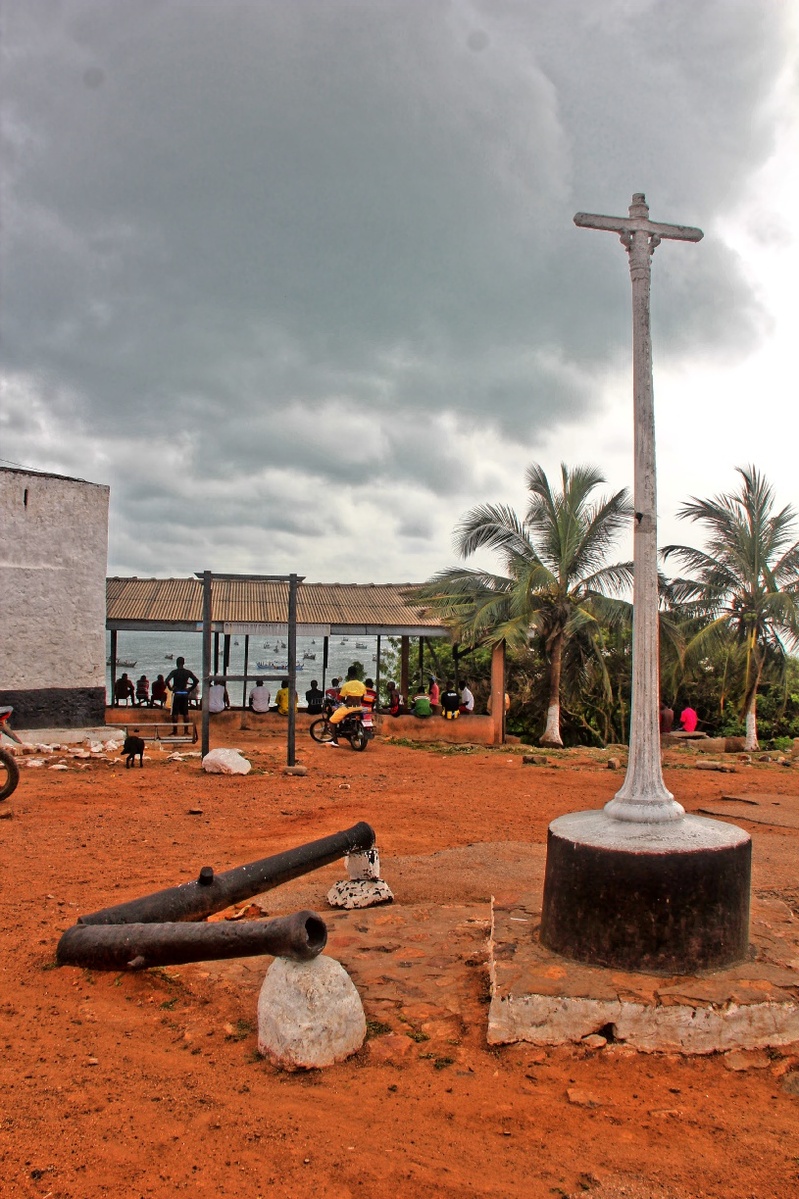
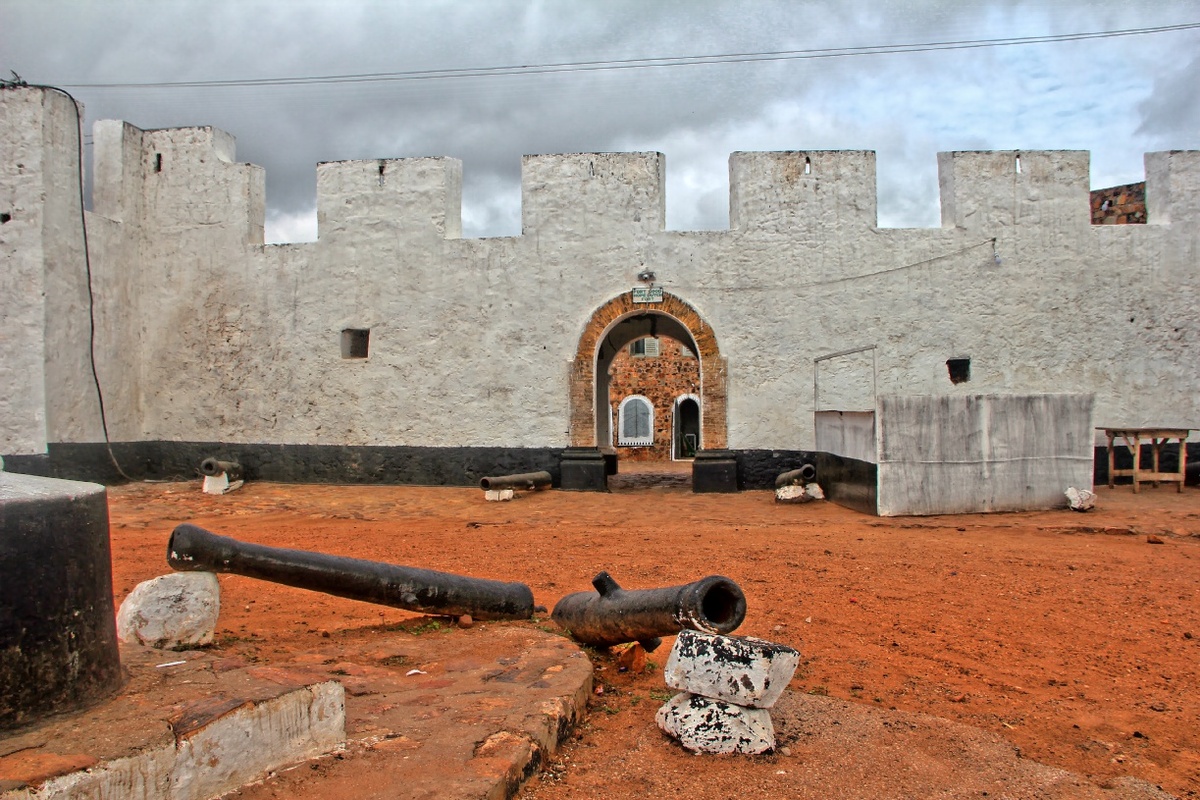
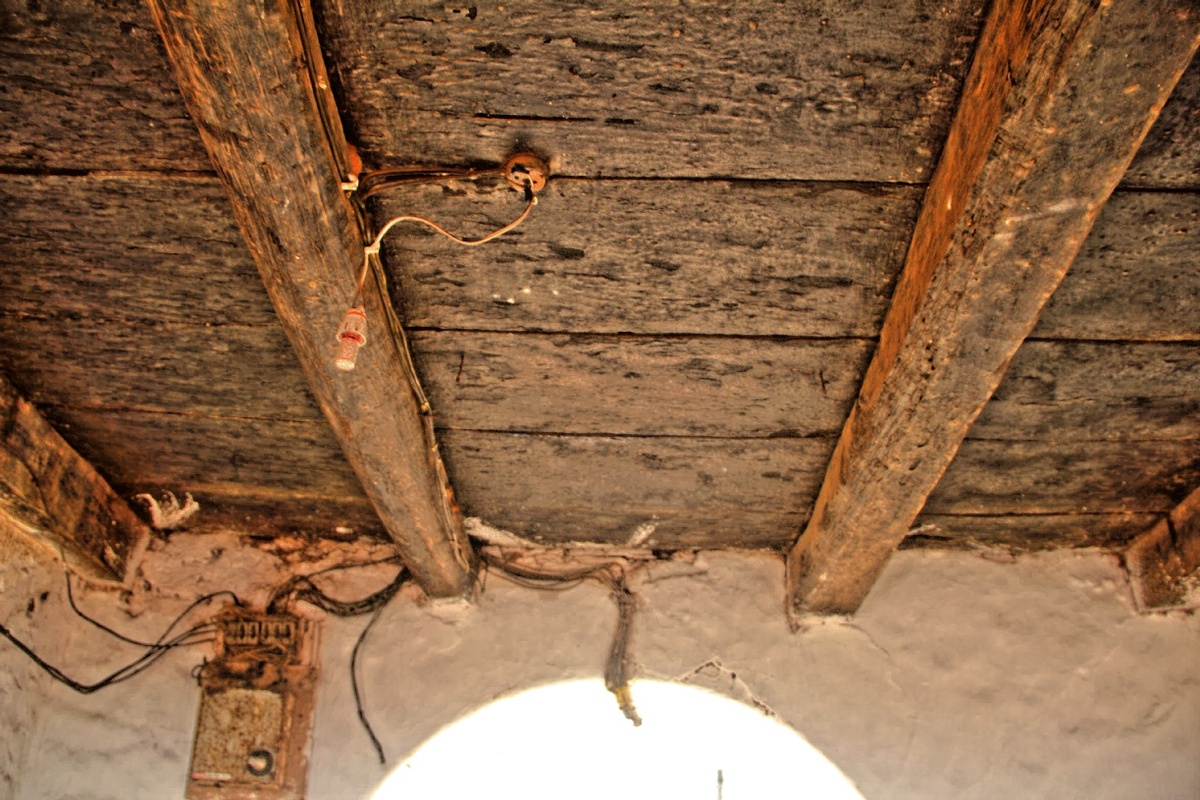
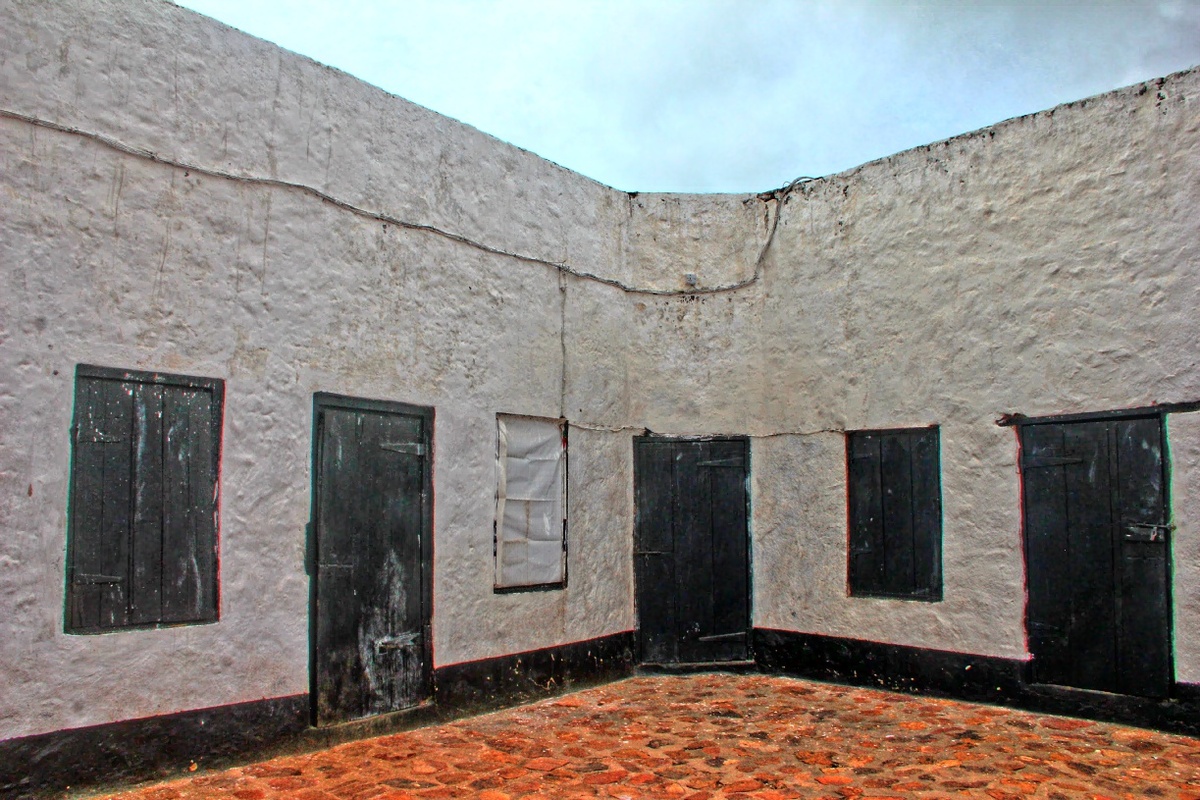
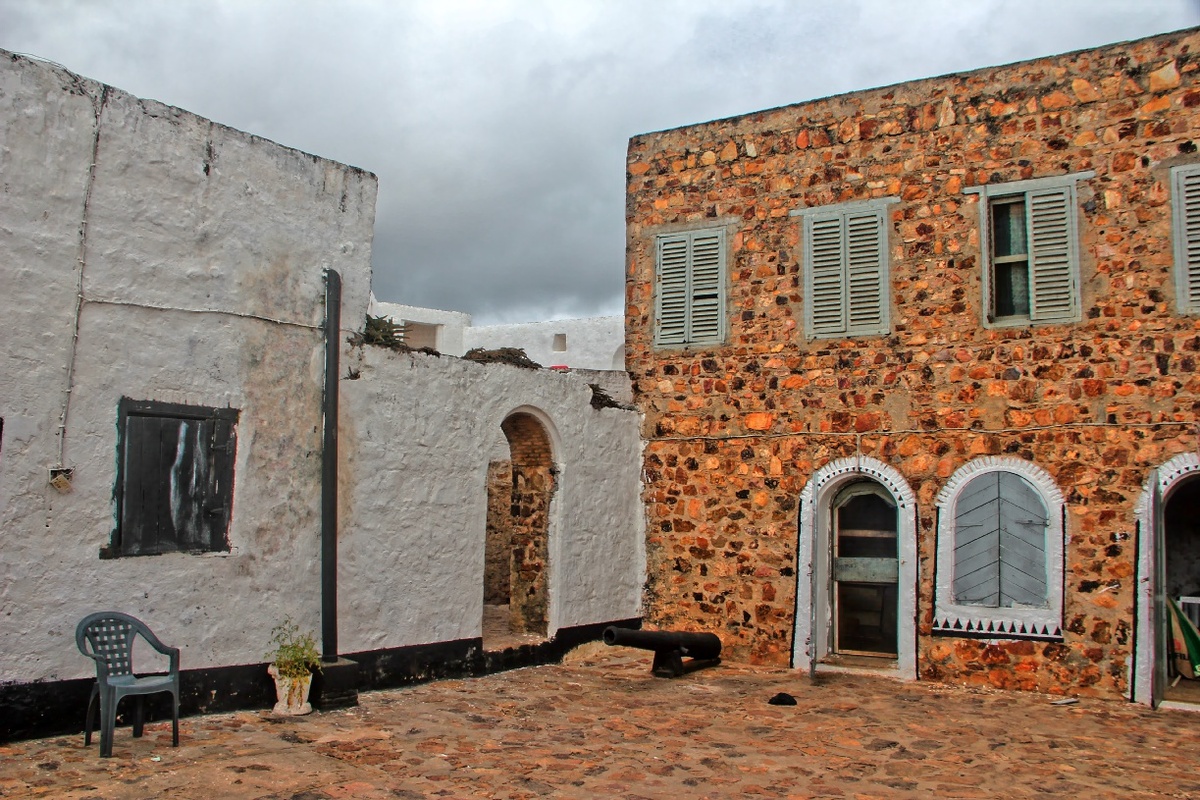
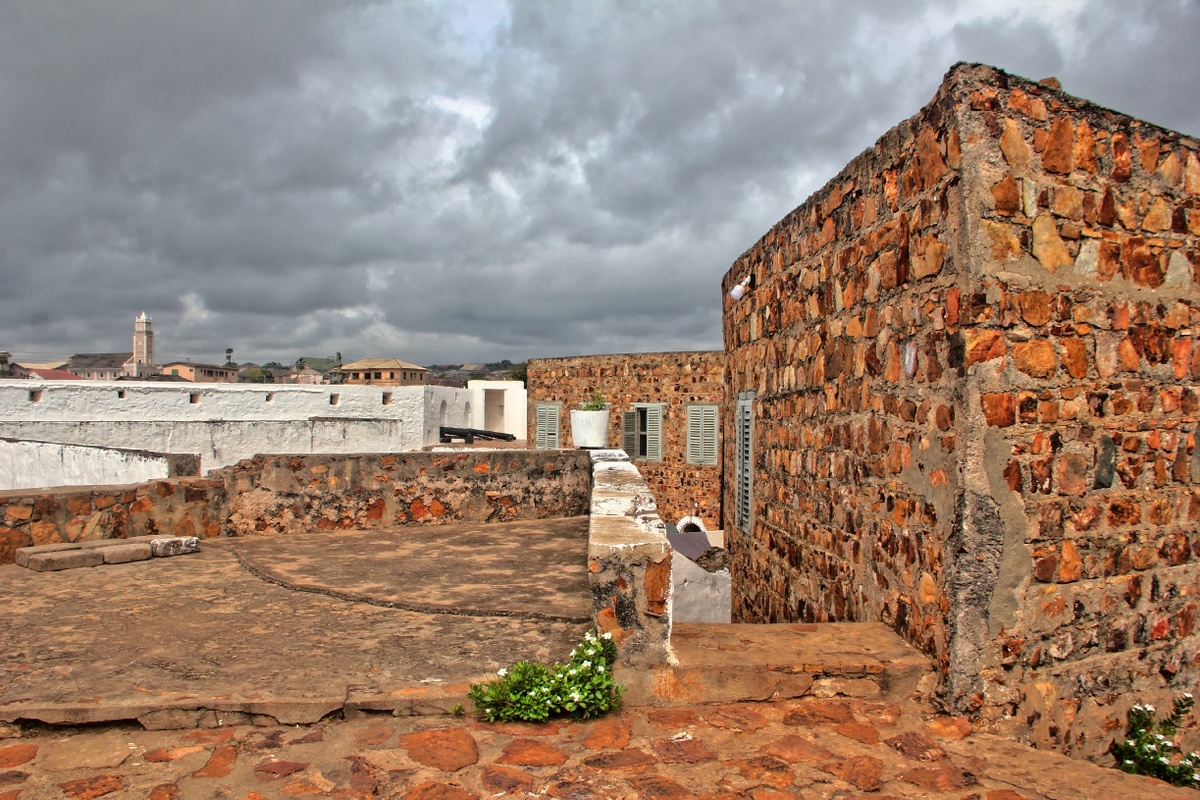
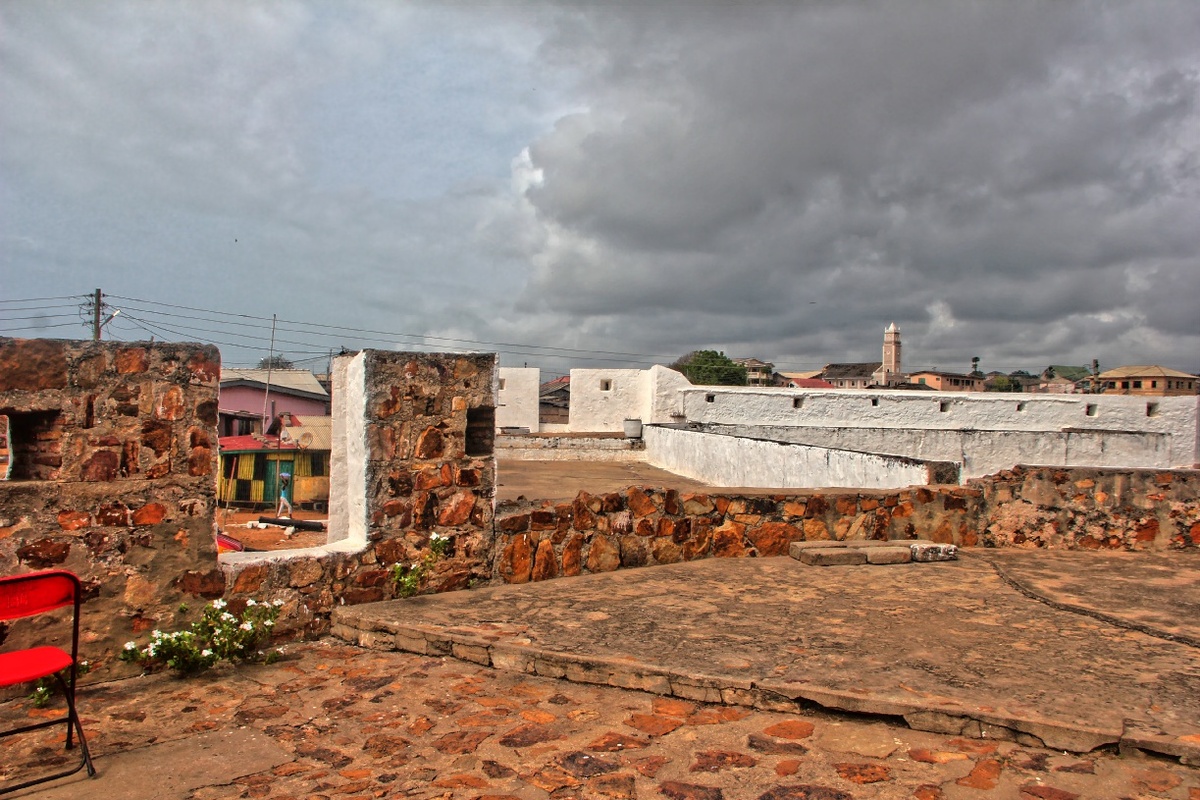
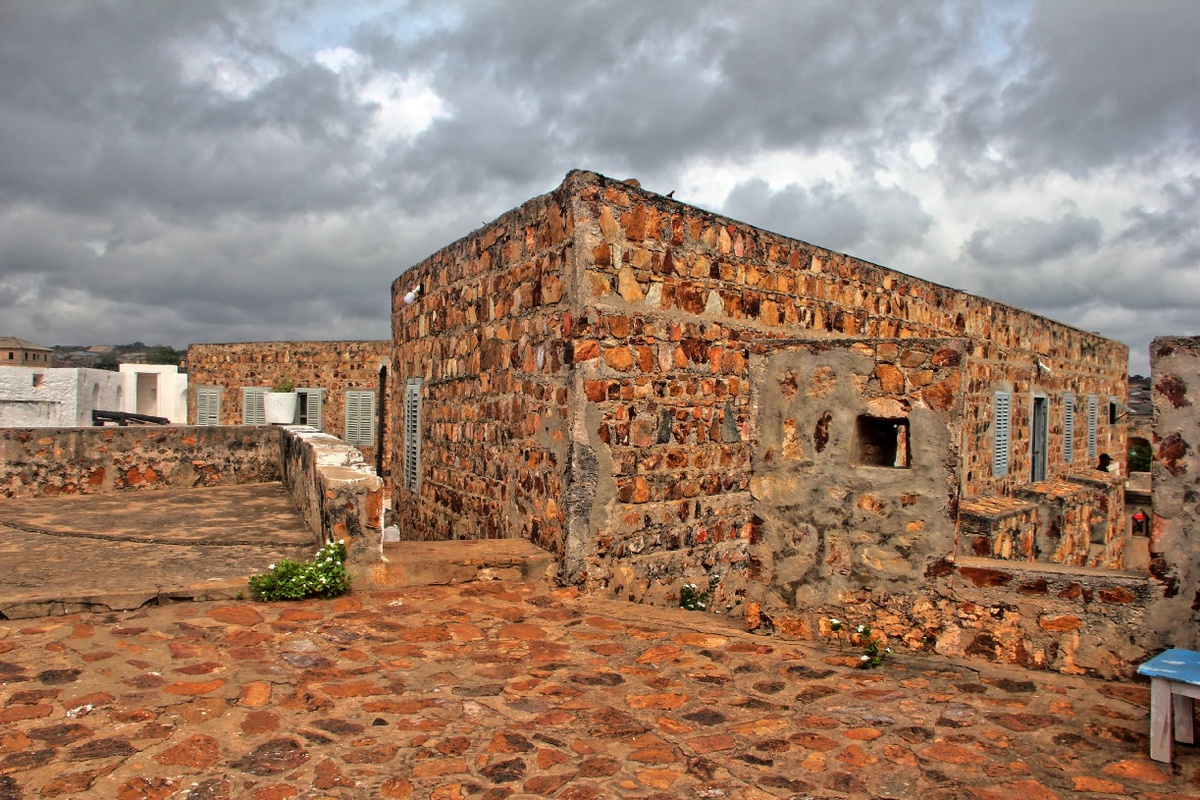
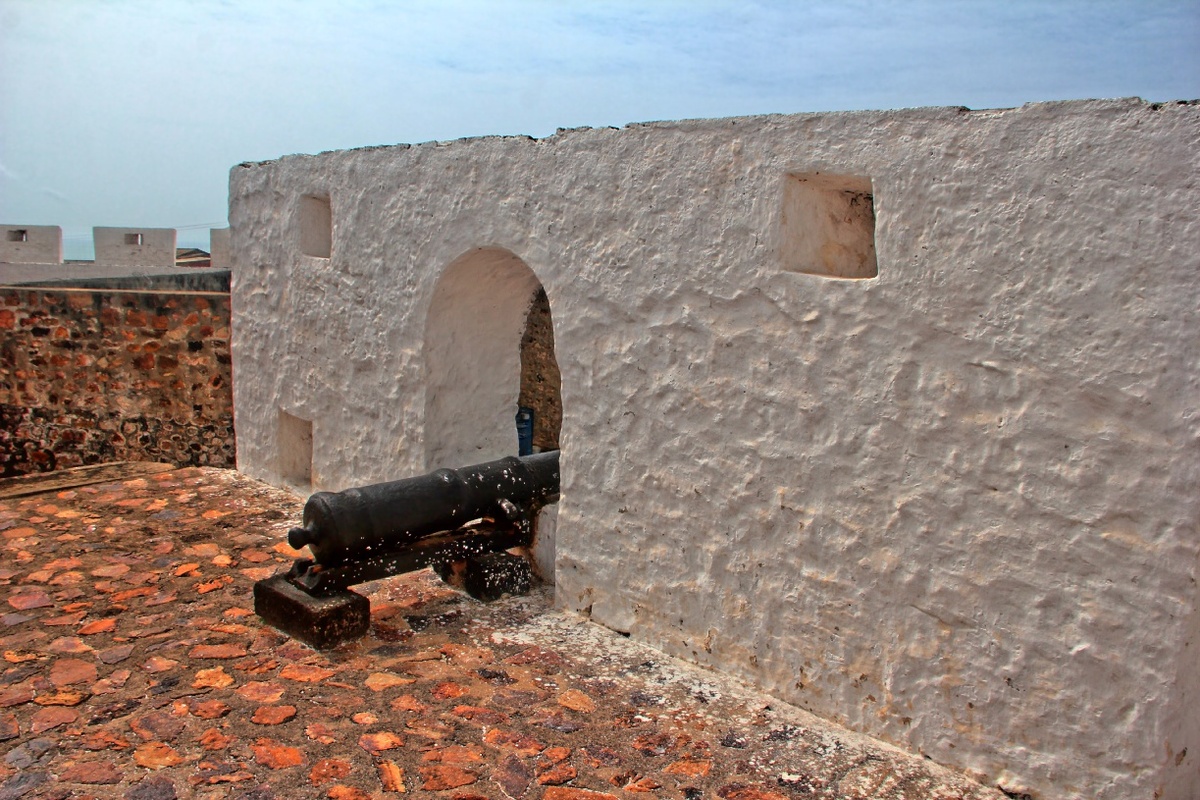
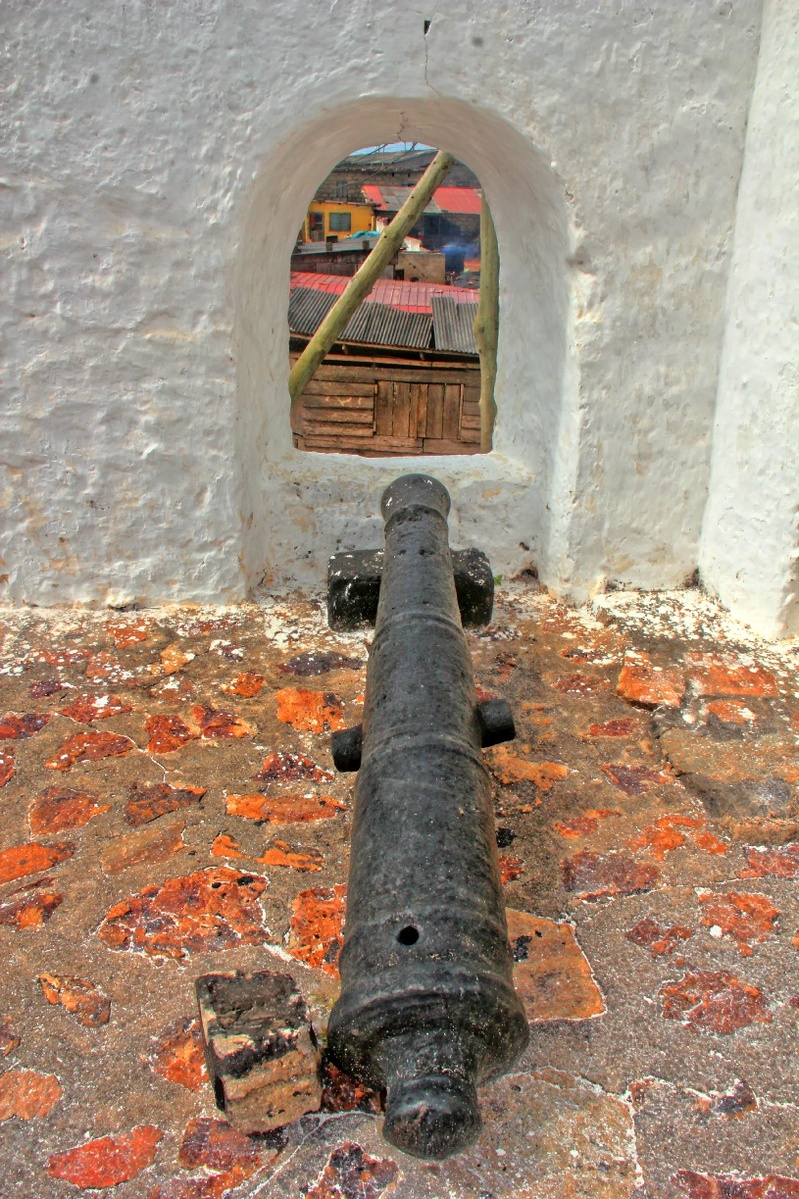
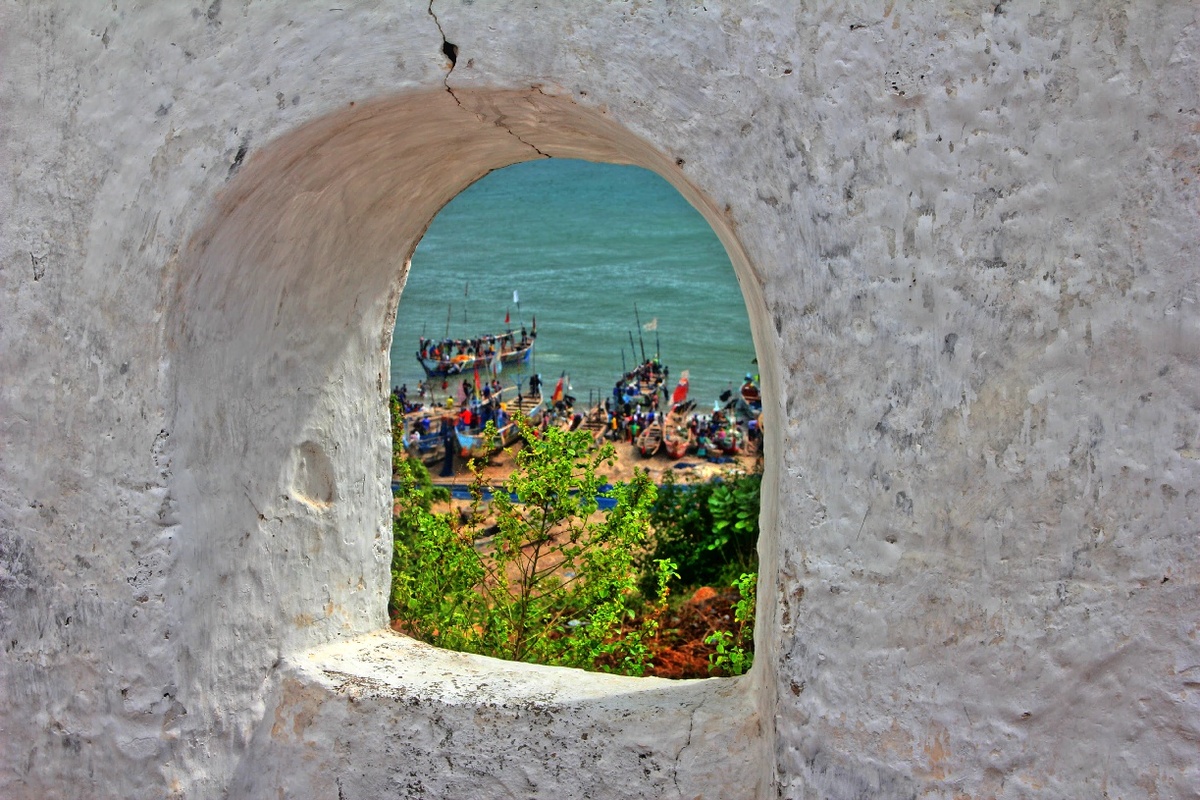
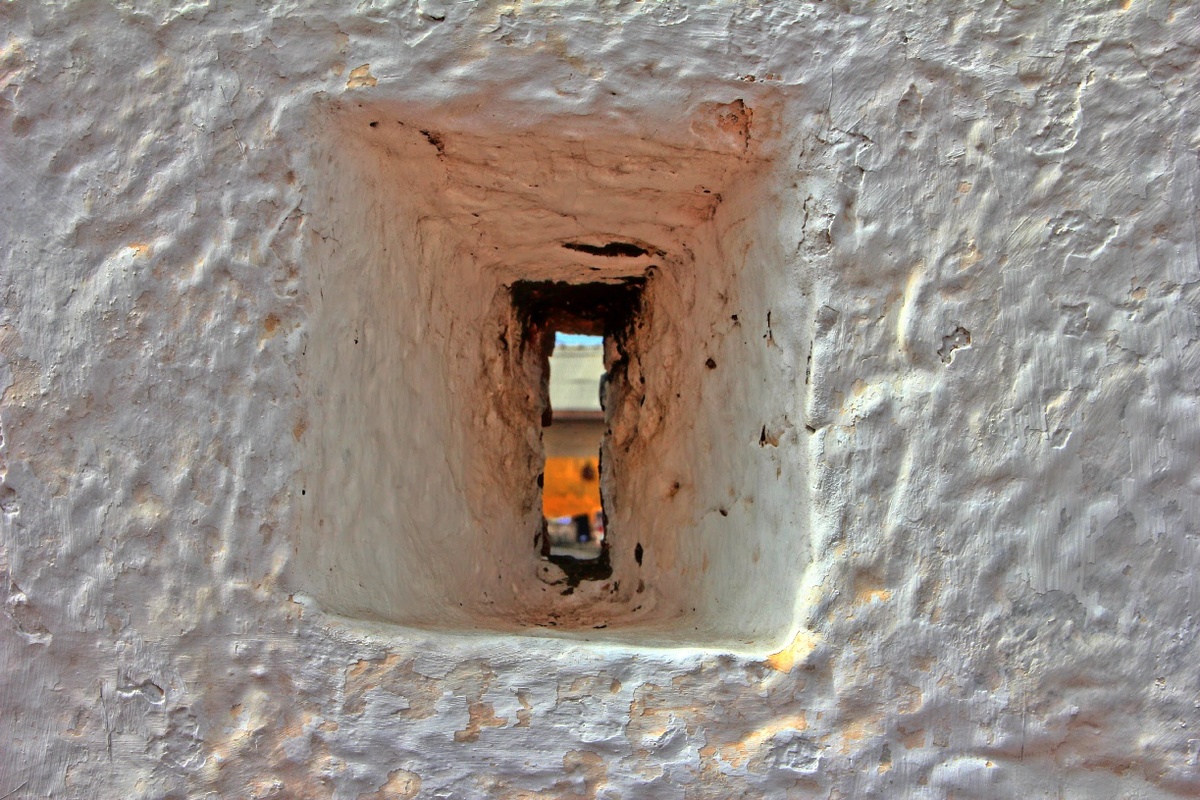
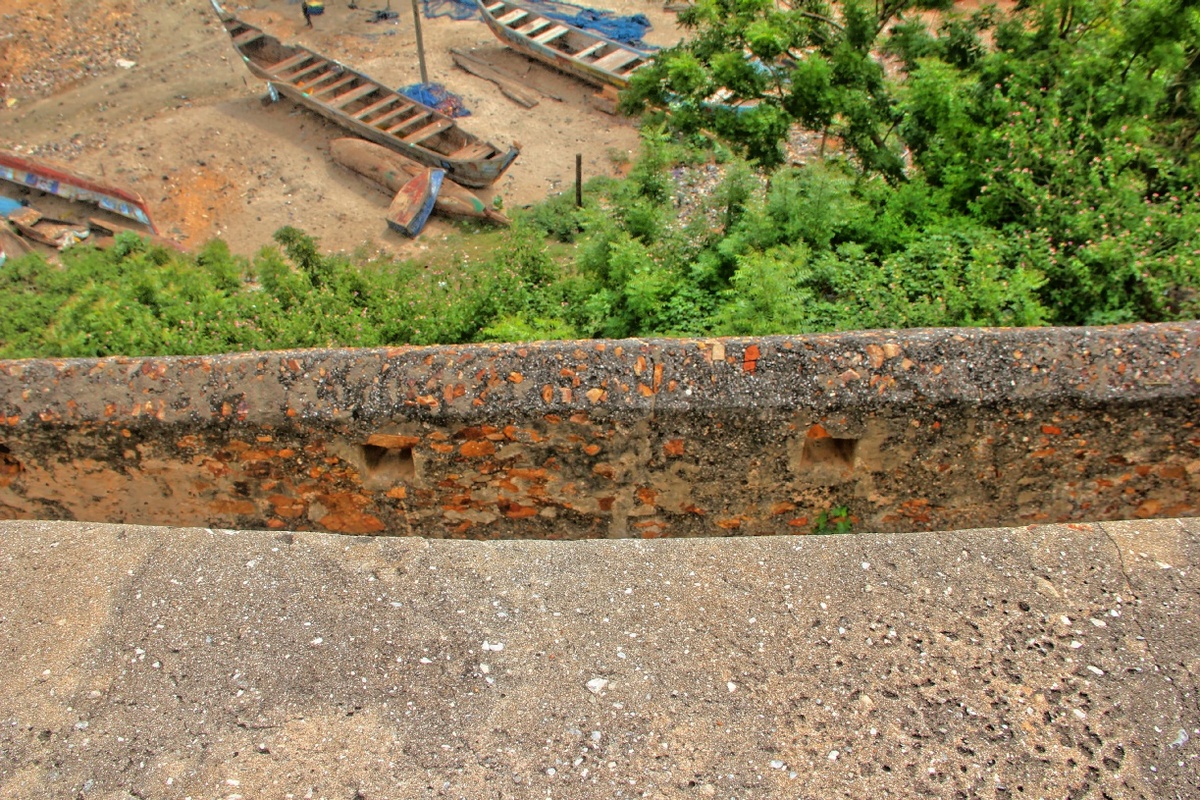
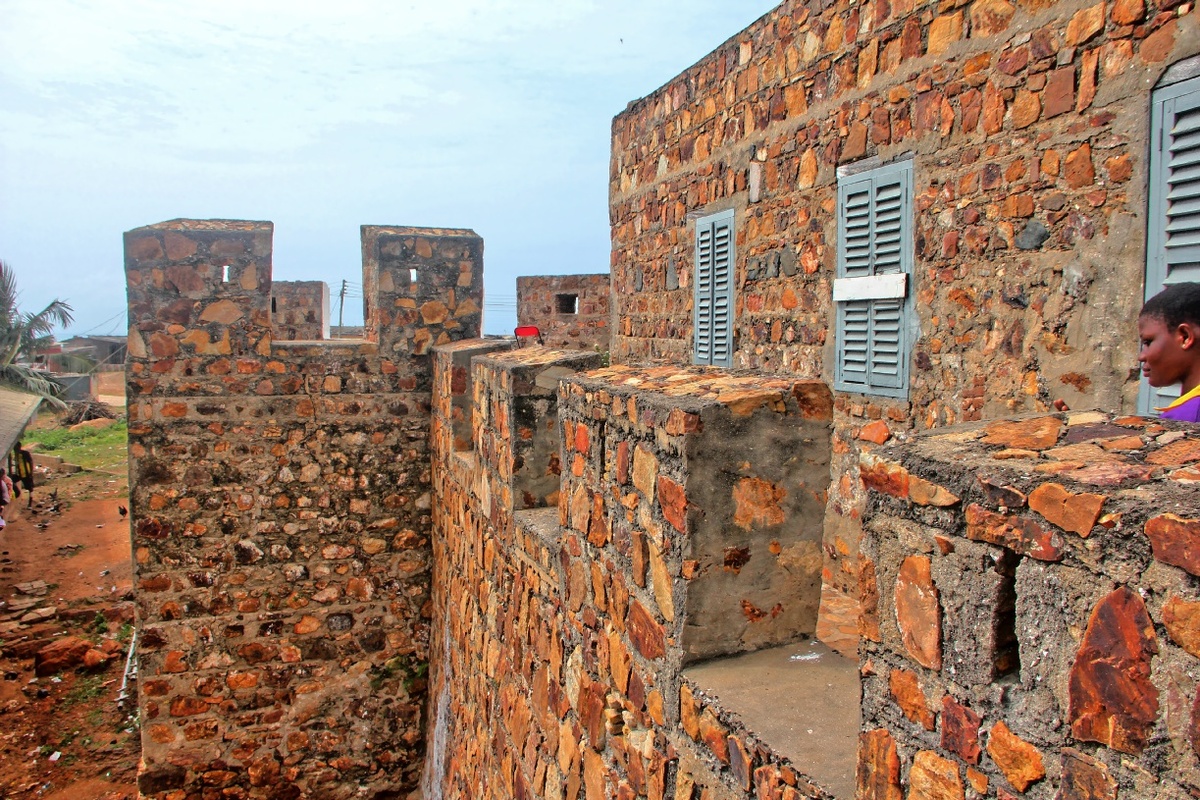
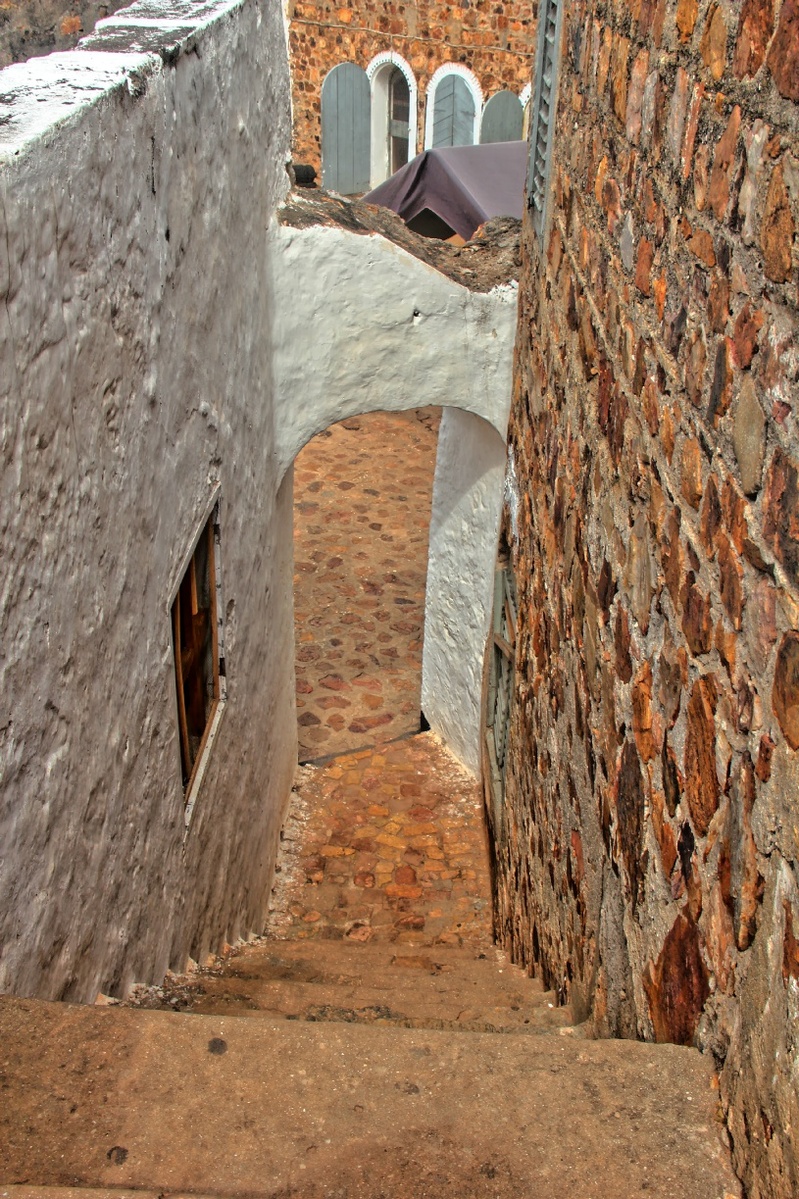
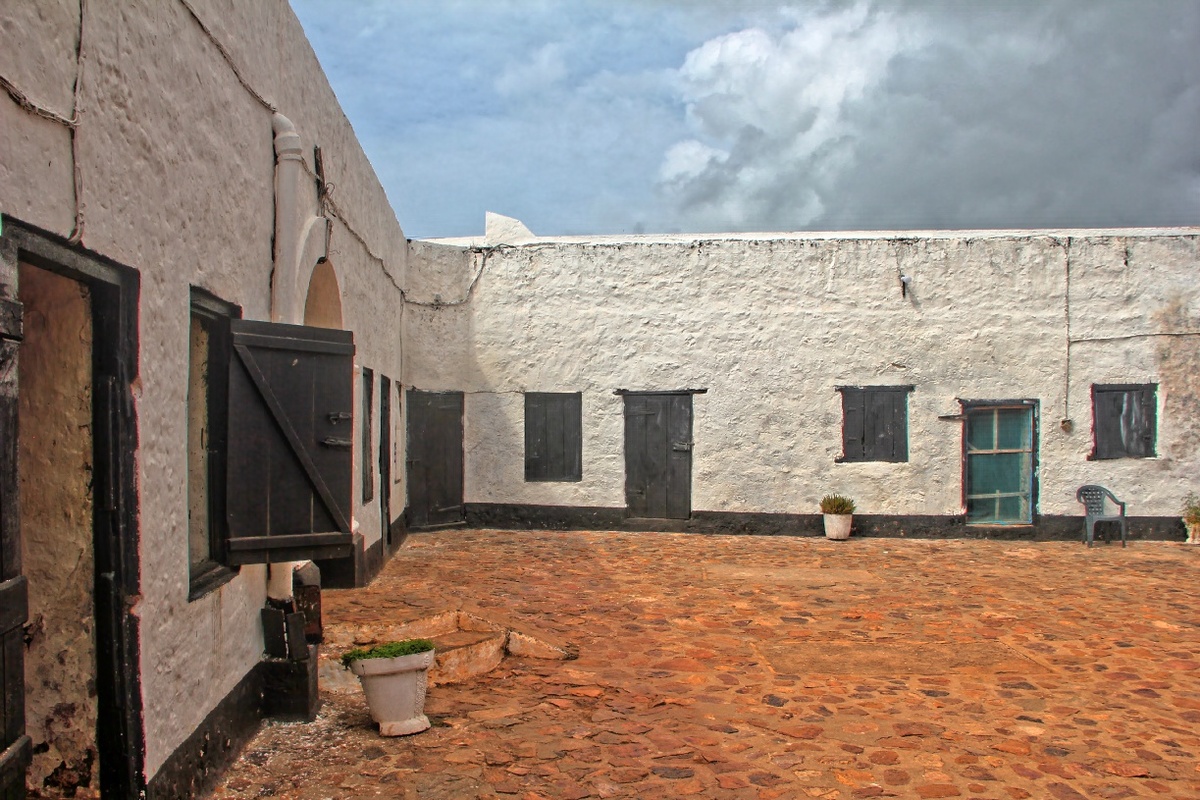
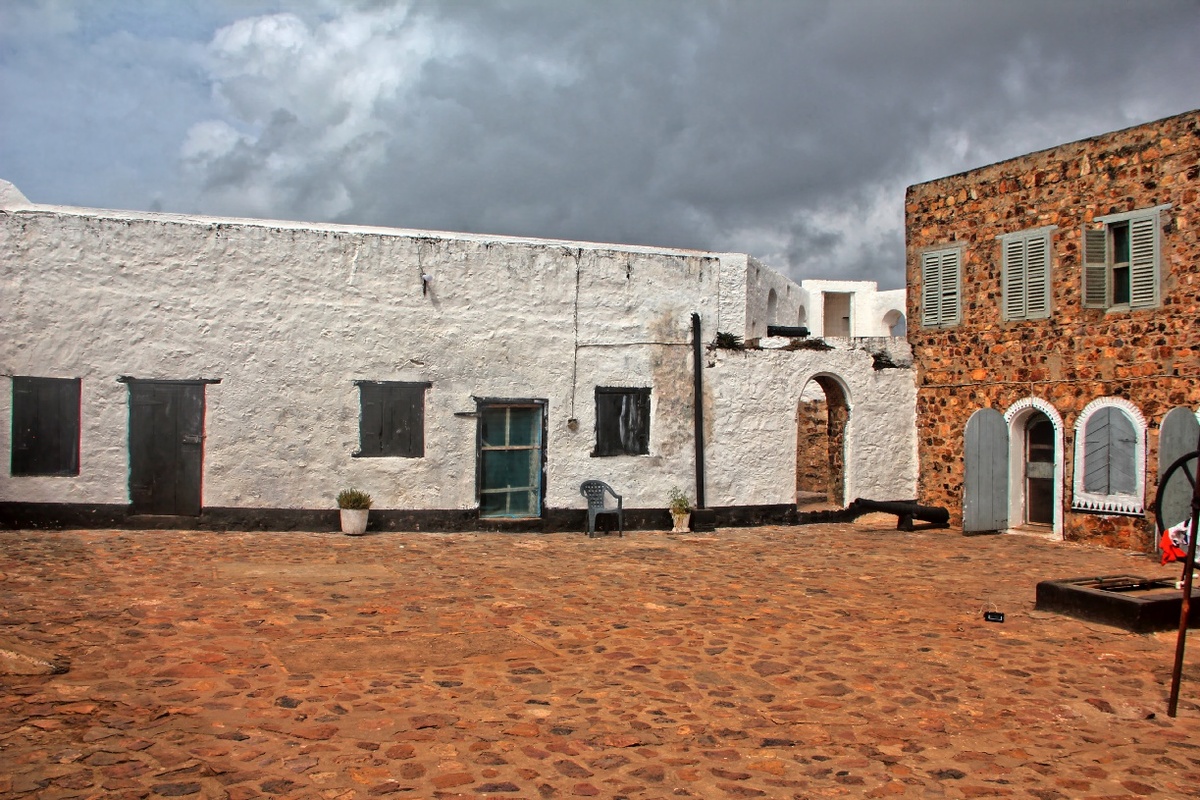
Visitors to Fort Good Hope can expect to see remnants of its historical architecture, including cracked walls, salt-bitten stones, and cannon fragments. Local guides often point out features of the fort's past.
Yes, Fort Good Hope is included in Ghana's broader tourism campaigns promoting 'heritage and hope', although it highlights the challenges of preserving historical sites amid budgetary constraints.