From Gold Dreams to Slave Dungeons: The Rich & Troubled History of Ghana’s Fort Good Hope (Fort de Goede Hoop) at Senya Beraku
Perched above the surf of Senya Beraku in Ghana’s Central Region, Fort Good Hope — known in Dutch as Fort de Goede Hoop — sits quietly on a headland that once echoed with the clash of empire, commerce, and captivity. Its bright whitewashed walls and ocean views make it easy to mistake for a simple colonial relic. Yet every stone in this coastal fort tells a story of ambition, conflict, and endurance — a reminder of the thin line between “good hope” and human tragedy.
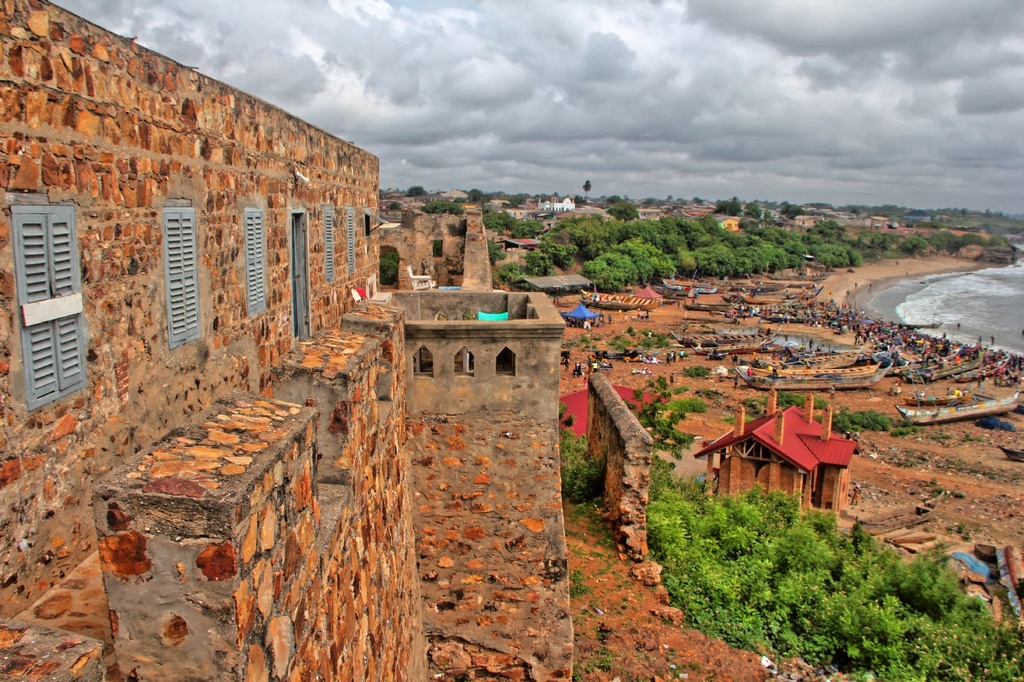
Fort Good Hope stands as a poignant reminder of Ghana's intricate history, from a trading post to a crucial part of the slave trade. (c)
The Birth of a Fort — and an Empire’s Ambition
In the late seventeenth century, the Dutch, already established along the Gold Coast, sought to strengthen their foothold in trade and territory. Around 1704, they received permission from the Queen of Agona to build a fort at Senya Beraku, a fishing town strategically positioned between Winneba and Apam.
They named their new stronghold “De Goede Hoop” — Fort Good Hope — a declaration of optimism for a flourishing trade in gold, ivory, and other goods from the Akan hinterlands. Construction began soon after, using local labour and imported materials, with the fort initially taking a triangular shape, designed for quick defense and modest storage.
But the “hope” didn’t last long. The expected flood of gold and ivory never quite materialized. The Dutch soon found profit elsewhere — in the brutal and expanding transatlantic slave trade.
🇬🇭 Ghana3d.com Gateway Experience 360
Find your roots and rise — Ghana3d.com Gateway Experience 360 is your ultimate guide to cultural, historic, and soul-stirring adventures. Whether you're returning to your ancestral land or exploring Ghana for the first time, we offer curated journeys that connect you deeply to the spirit of West Africa. From powerful walks through Cape Coast & Elmina slave castles to the vibrant rhythms of Accra’s nightlife. From sacred village ceremonies to awe-inspiring natural beauty — your journey starts here.
- ✔ Instant Confirmation
- ✔ Free Cancellation
-
✔ Best Price Guarantee
You'll receive a full refund if you cancel at least 24 hours in advance of most experiences.
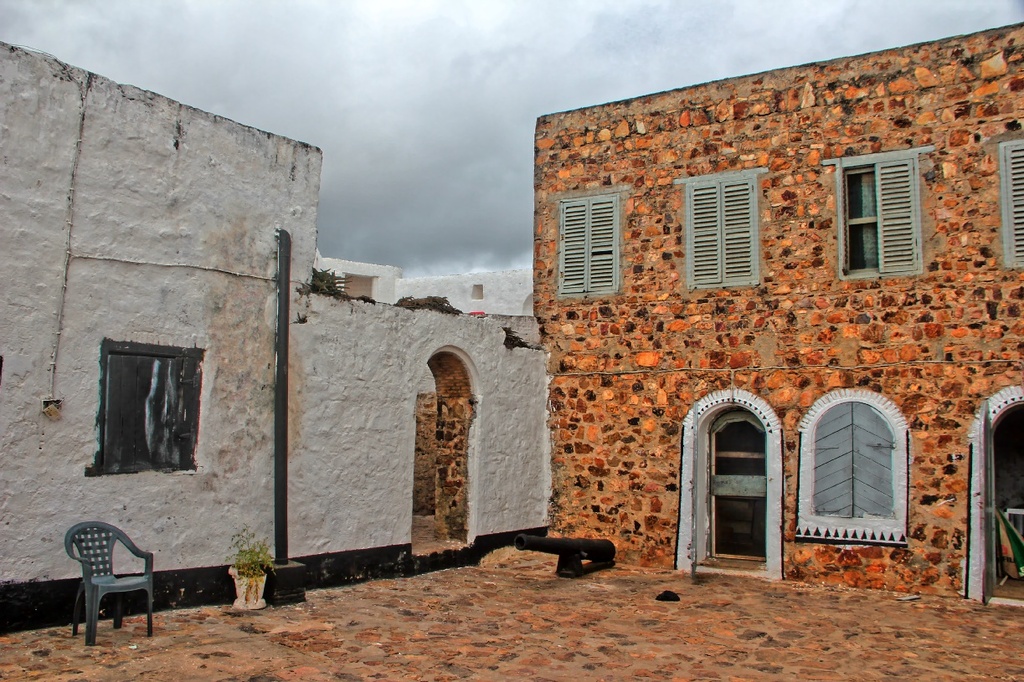
Inside the fort’s thick walls, new structures appeared: male and female slave cells, granaries, officers’ quarters, and storerooms. The fort’s dungeons, dark and airless, served as temporary prisons for hundreds awaiting transport across the Atlantic. (c)
Transformation: From Trading Post to Slave Prison
By the early eighteenth century, Fort Good Hope had become less a hub of commerce and more a warehouse of suffering.
Around 1715, the Dutch expanded the fort, changing its layout from a triangle to a square plan with four bastions. The enlargement was not for aesthetic reasons — it was to accommodate a growing number of enslaved Africans captured from inland regions.
Inside the fort’s thick walls, new structures appeared: male and female slave cells, granaries, officers’ quarters, and storerooms. The fort’s dungeons, dark and airless, served as temporary prisons for hundreds awaiting transport across the Atlantic.
By the early 1800s, reports described Fort Good Hope as “one of the finest and most spacious forts on the coast.” The irony, of course, was that its size and order masked the misery within.
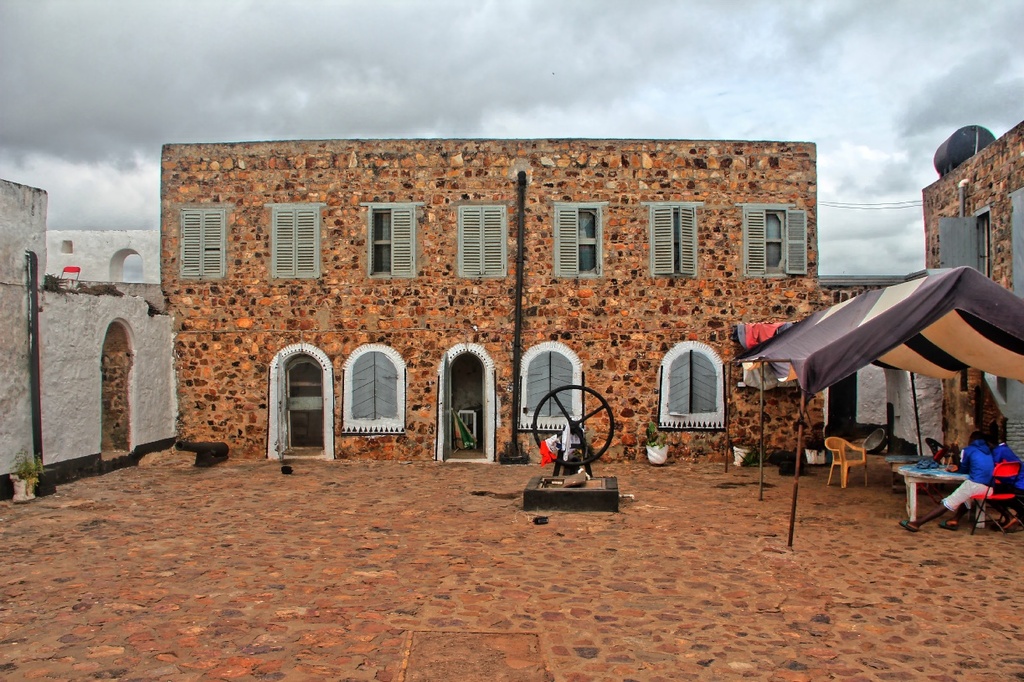
By the early eighteenth century, Fort Good Hope had become less a hub of commerce and more a warehouse of suffering. (c)
Changing Flags and Fading Fortunes
Control of the fort shifted as colonial rivalries raged across the Gold Coast. In 1868, as part of a political and territorial exchange between Britain and the Netherlands, Fort Good Hope was transferred to British hands under the Anglo-Dutch Treaty. The Dutch, whose influence along the coast was waning, relinquished several of their forts to consolidate trade in the East Indies. The British, already dominant in nearby territories, absorbed Fort Good Hope into their expanding empire.
By this time, however, the fort’s commercial importance had dwindled. The transatlantic slave trade had been officially abolished in the early 19th century, and Britain’s focus had shifted toward “legitimate trade” — exports like palm oil, rubber, and gold dust. Fort Good Hope, once a bustling node of European ambition, slipped into obscurity.
During the late 19th century, the fort served a range of secondary purposes: as a customs post, a trading station, and at times a barracks for colonial police. Yet its remote position and declining economic value ensured its gradual decay. By the early 20th century, Fort Good Hope was little more than a crumbling relic, visited occasionally by traders, missionaries, and curious travelers tracing the coastline’s faded imperial map.
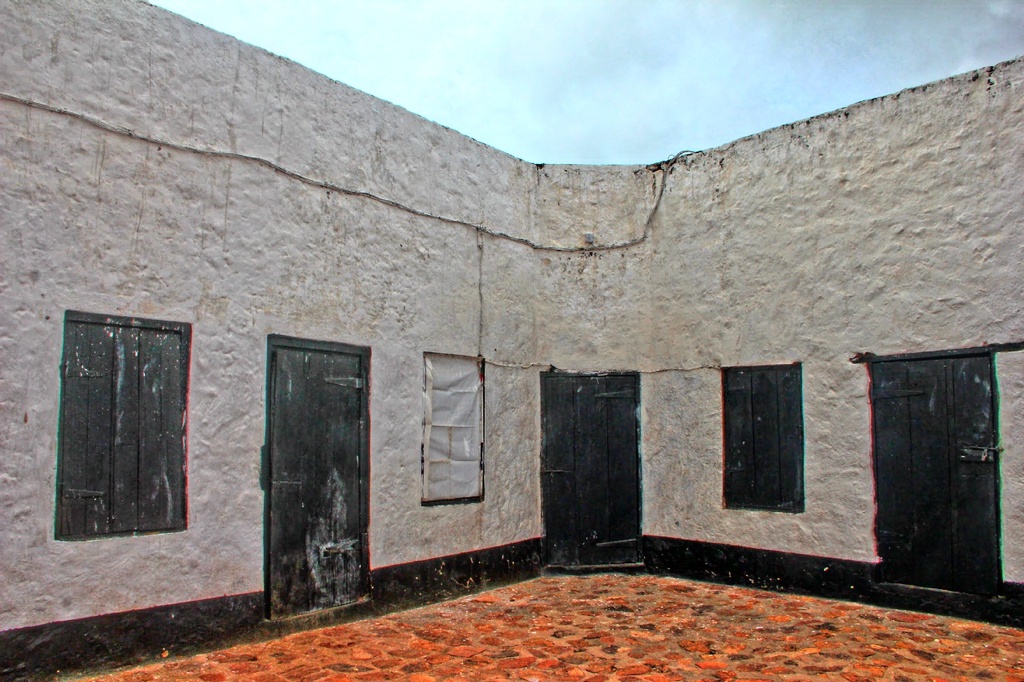
Around 1704, they received permission from the Queen of Agona to build a fort at Senya Beraku, a fishing town strategically positioned between Winneba and Apam (c)